Combines are finishing up in the fields around Kennewick, Pasco, Richland and West Richland, and that's bad news for anyone with an unsealed garage door or an open gap around a dryer vent. Local pest control company The Pest Crew, which works across the Tri-Cities, says that from late September through November, Columbia Basin fields come off and a very large rodent population loses its food and cover within a couple of weeks — and heads straight for the nearest structure, according to the company's fall pest-proofing guide.
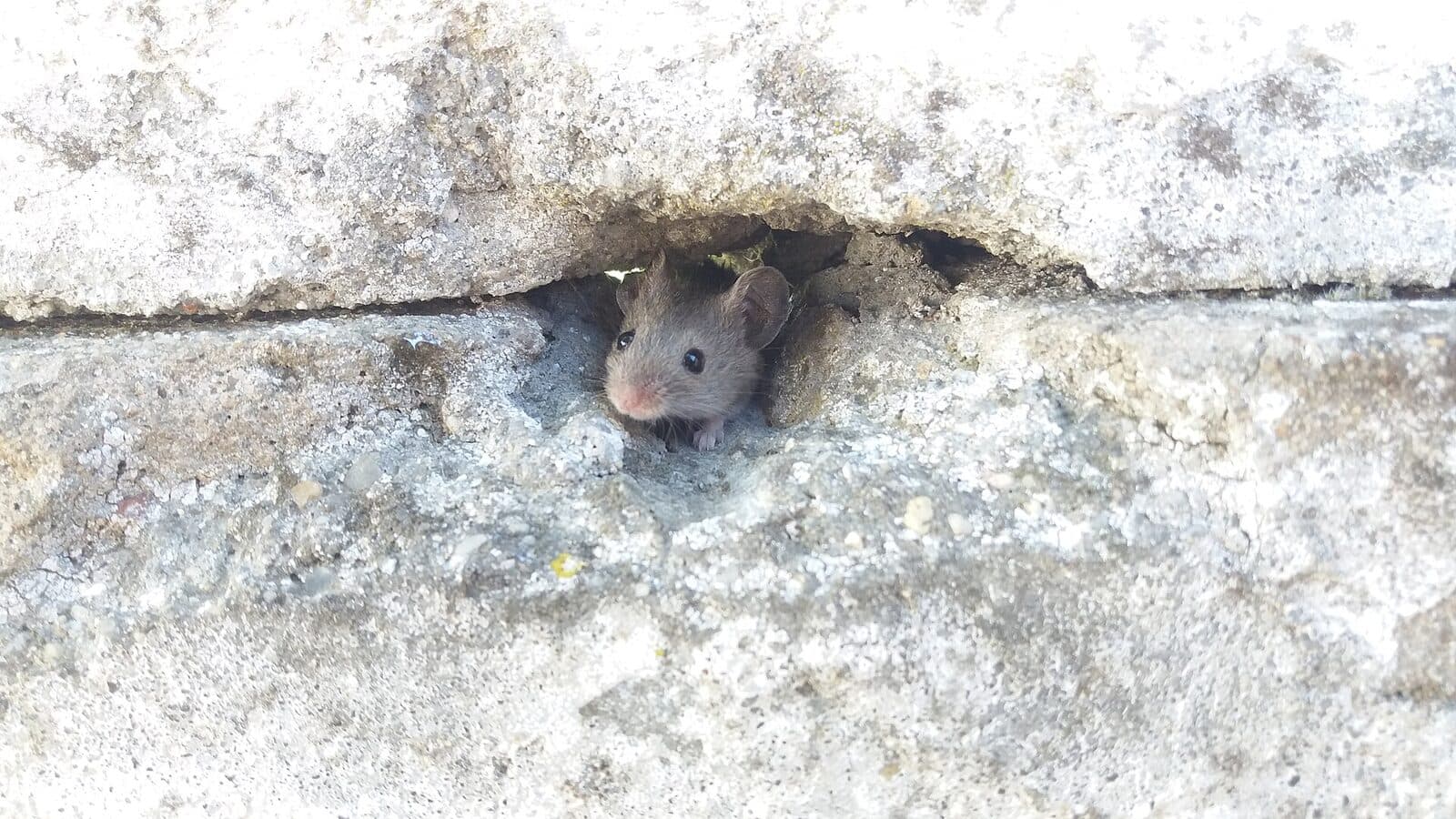
Richland Termite & Pest Control makes a similar point: rodents don't disappear as temperatures drop the way many insects do. They relocate closer to people, and the company says surprisingly small gaps around utility pipes, foundation vents, rooflines and garage doors are enough for mice and rats to start exploring indoors, the company wrote in September. The trigger is harvest, not cold. That means the window to act is now, before the surge peaks in the next few weeks.
Start with the garage door
The Pest Crew identifies a worn-out garage door bottom seal as the single most common rodent entry point in newer Tri-Cities homes. A mouse only needs a gap the width of a pencil to get through, and a replacement seal costs about $30 at any hardware store, the company says in its guide. It's a simple, inexpensive fix compared with the rest of this list.
Seal utility penetrations the right way
Every house has pipes and lines running through the foundation or siding: water line, gas line, A/C line set, electrical conduit, dryer vent. The Pest Crew's advice is to pack copper mesh or stainless steel wool into any gap around these penetrations, then seal over the top. The mesh matters: rodents can and do tunnel straight through plain expanding spray foam, so foam alone isn't a fix, only a starting point, according to the guide. This pairs naturally with the kind of air-sealing work covered in our guide to Benton and Franklin PUD weatherization rebates, since the same gaps that let in cold air often let in rodents.
While you're at it, check foundation vents and rooflines, the other common entry points Richland Termite & Pest Control flags. Screen or repair any vent covers that have come loose, and look for daylight around roof penetrations like plumbing stacks.
Cut off food, water and shelter
Exclusion only works if there's nothing to attract rodents in the first place. The Washington State Department of Health recommends removing access to food, water and shelter around the home — storing pet food and birdseed in tight-lidded containers, and keeping garbage in thick plastic or metal cans with tight-fitting lids, according to the agency's guidance as cited by Croach Pest Control's Kennewick page. Clear brush, woodpiles and garbage piles away from foundations and crawlspace vents, since Croach notes Norway rats are primarily nocturnal and often hide in basements, garbage piles or crawlspaces once they move in for the fall.
Know what you're looking at
Droppings are the clearest sign of a rodent problem. The Pest Crew says rice-grain-sized, pointed droppings mean mice, while olive-pit-sized droppings mean rats. The company adds that the fall move-indoors wave runs from late September through November, driven by harvest more than by cold, according to the company's warning-signs guide.
This is also where the safety stakes rise. Deer mice are common in the inland Northwest, and The Pest Crew's guide is blunt about the risk: because deer mice are present here, homeowners should never sweep or vacuum rodent droppings dry. Disturbing dried droppings can aerosolize particles linked to hantavirus, a serious respiratory illness. Croach's page adds that Norway rats can spread other diseases including plague, cowpox virus, jaundice and rat-bite fever. If you find a dropping pile, the safer approach is to wet it down with disinfectant before cleanup rather than stirring it into the air.
Don't forget the bugs on the siding
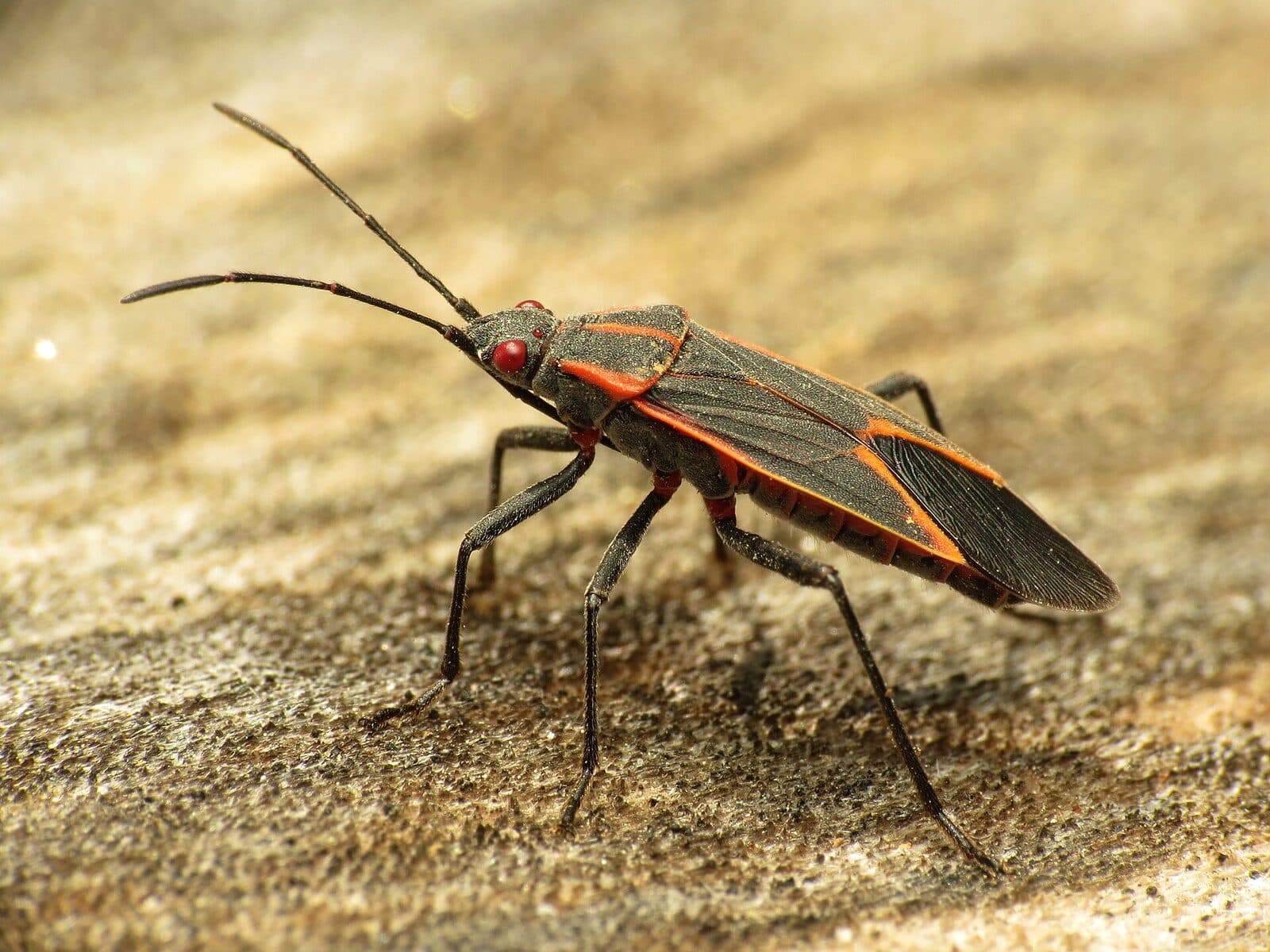
Rodents aren't the only fall invaders. Box elder bugs and similar "occasional invader" insects cluster on sun-warmed exterior walls in autumn before trying to push inside through the same small gaps rodents use. General pest-control guidance from Western Exterminator treats exclusion — sealing those same cracks and gaps — as the primary control method, according to its box elder bug page, so the sealing work above does double duty.
A free local resource before you call an exterminator
Not every rodent or insect sighting requires a paid pest-control contract. WSU Extension's Benton-Franklin office offers free help identifying pests. Its Master Gardener plant clinic runs in person Monday through Thursday, 9 a.m. to 4 p.m., from May through October, and from November through April residents can call the Kennewick office's main line, 509-735-3551, for help from a Master Gardener, according to the extension's Ask a Master Gardener page. The office itself is at 7102 W. Okanogan Place, Suite 102, Kennewick, WA 99336, open Monday through Thursday, 8 a.m. to 4 p.m., with Fridays by appointment, per the extension's main site.
Fall pest-proofing checklist
- Replace a worn garage door bottom seal (about $30).
- Pack copper mesh or stainless steel wool, then seal, around water, gas, A/C, electrical and dryer vent penetrations — skip foam-only fixes.
- Check and repair foundation vents and roofline gaps.
- Store pet food, birdseed and garbage in tight-lidded metal or thick plastic containers.
- Clear brush, woodpiles and debris away from the foundation.
- Identify droppings before cleanup: rice-grain and pointed means mice, olive-pit sized means rats.
- Never dry-sweep or vacuum droppings — wet them down with disinfectant first.
- Call WSU Extension Benton-Franklin, 509-735-3551, for free pest ID help.
Frequently asked questions
Why do mice and rats show up in Tri-Cities homes specifically in the fall? Columbia Basin harvest strips fields of both cover and food within a couple of weeks, pushing rodents toward the nearest structure, according to The Pest Crew. Pest firms describe this as a harvest-driven wave, not a cold-driven one.
Is it safe to clean up mouse droppings myself? Wet the droppings down with disinfectant before cleaning rather than sweeping or vacuuming them dry. The Pest Crew specifically warns against dry cleanup because deer mice, common in this region, are linked to hantavirus risk when droppings are disturbed and inhaled, per the company's guide.
What's the single most effective fix for a typical Tri-Cities house? Replacing the garage door bottom seal. The Pest Crew calls it the most common rodent entry point in newer area homes, since a mouse needs only a pencil-width gap to get through, and the fix costs about $30, according to the company.
Where can I get free help identifying a pest before paying for an exterminator? WSU Extension's Benton-Franklin Master Gardener program takes pest ID questions in person at its Kennewick office through October, and by phone at 509-735-3551 from November through April, per the extension's site.