If the south- or west-facing wall of your house has looked like it's moving this week, you're not imagining it. This week's forecast calls for partly sunny afternoons in the mid-50s followed by cool, clear nights, the exact pattern that sends boxelder bugs, stink bugs and ladybeetles crawling onto sun-warmed siding by the hundreds, looking for a crack to slip through before winter.
WSU Benton-Franklin Extension, based in Kennewick and Prosser, fields calls about these fall "home invaders" every year. The office runs a public reporting program for one species in particular, the brown marmorated stink bug, and the biology behind all of them is similar: as daytime sun heats exterior walls and nighttime temperatures drop, the bugs cluster on the warm surface, then work their way into gaps around siding, window trim and foundations looking for a place to spend the winter, according to WSU's statewide Pest Watch series.
Why they're on your wall right now
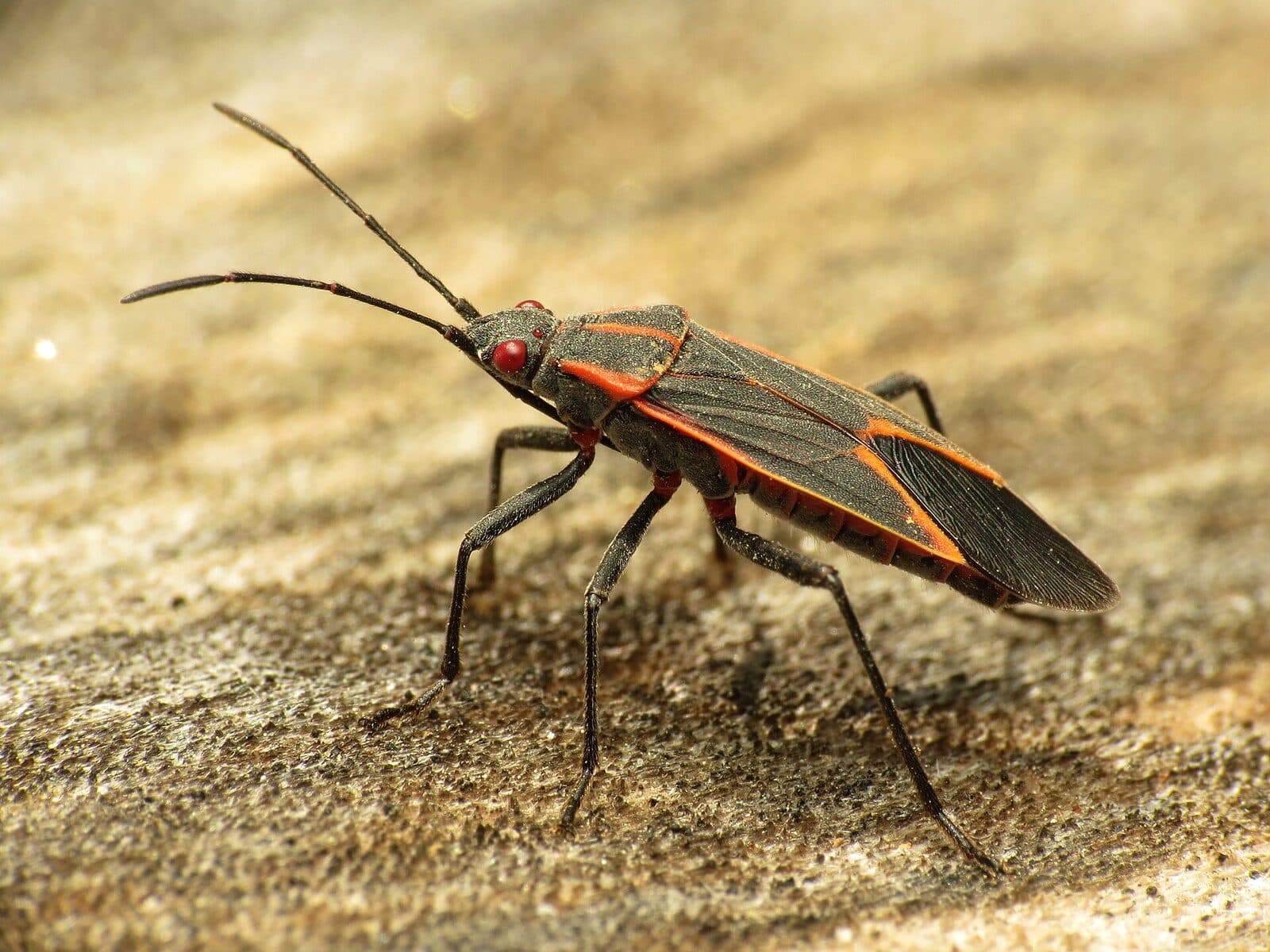
WSU's fact sheet on the western boxelder bug, common across the Tri-Cities, describes it as a nuisance pest that migrates to overwintering sites, including houses, in late summer and fall, sometimes showing up in large numbers on a single wall, according to WSU PestSense. Boxelder bugs are the reddish-black insects most Tri-Cities homeowners are seeing right now. Stink bugs, western conifer seed bugs, grass bugs and milkweed bugs follow the same pattern and often turn up in the same clusters.
Gwen Hoheisel, WSU's regional extension specialist based in the Benton-Franklin office, told NBC Right Now that boxelder bugs don't deserve the alarm they usually get. "They are not beneficial and they're not necessarily considered a pest," she said, adding that they rarely cause meaningful damage to gardens.
The good news for anyone finding bugs on a windowsill: none of these fall invaders bite, sting or chew through walls. WSU's page on BMSB specifically notes the stink bug "does not sting or bite people or pets, and does not cause any structural damage to homes," even though it can seriously damage fruit, vegetable and other crops outdoors, according to WSU Extension's BMSB program page. The Pest Watch guide makes the same point about the broader group of fall invaders: they don't harm people or buildings, but a living room full of them is unpleasant enough that most people want them gone.
What to actually do about them
WSU's advice is deliberately low-tech. For an indoor infestation, Hoheisel's recommendation is the same one WSU publishes for all these species: skip the spray bottle.
"WSU doesn't even recommend chemical control. Vacuum them up and then dispose of that bag if you think that it smells bad," Hoheisel told NBC Right Now.
The western boxelder bug fact sheet lays out the same non-chemical approach WSU recommends statewide:
- Sweep or vacuum bugs off walls, windowsills and baseboards and dispose of them, or the vacuum bag, outside.
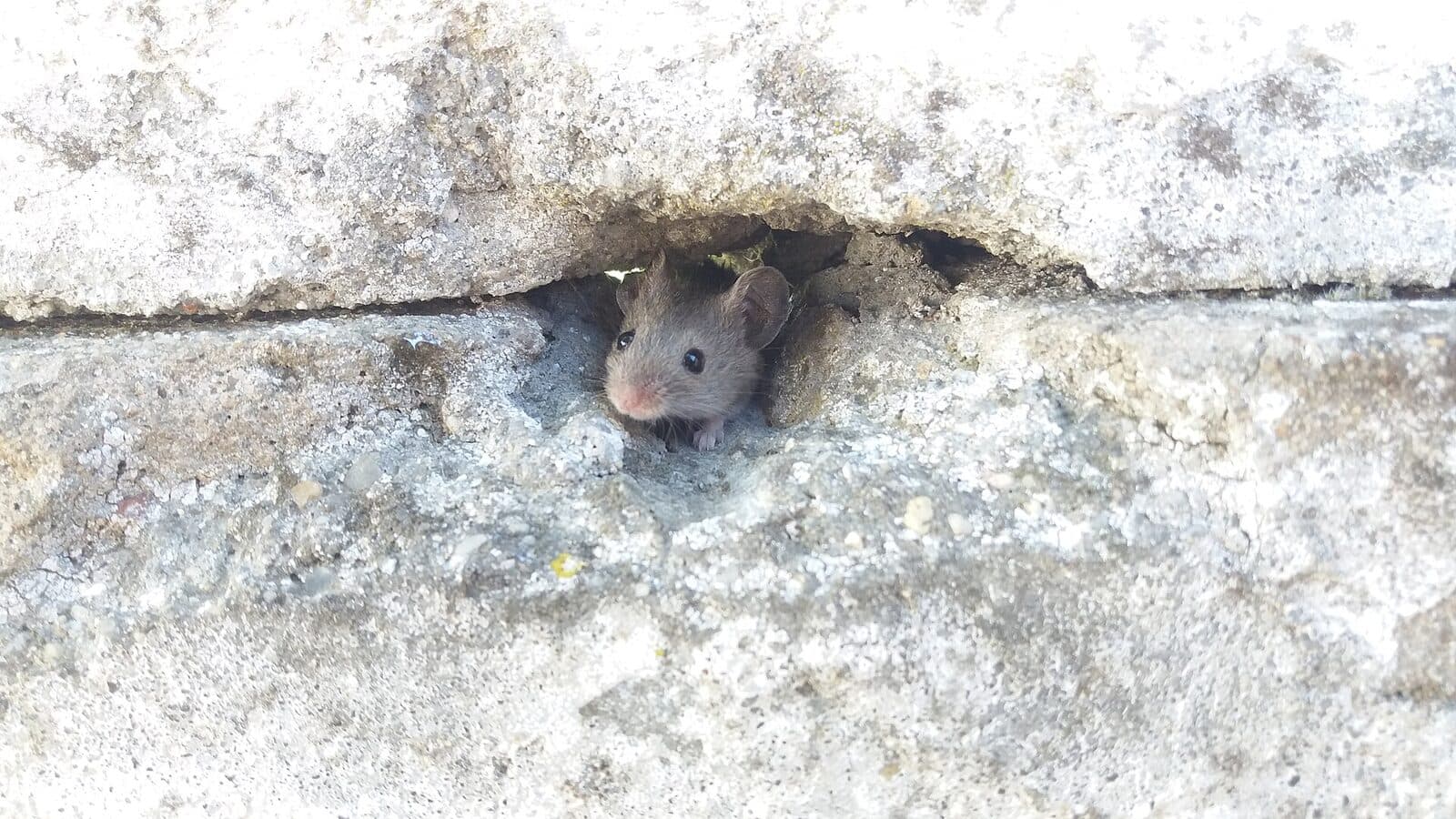
- Seal openings around doors, windows, utility pipes, dryer vents and foundation cracks, the same gaps that let mice in, as covered in our fall rodent-proofing guide.
- Check weatherstripping and screens, since loose-fitting doors and torn screens can give bugs an easy way in.
- Avoid pesticide treatments on exterior walls. WSU says chemical control isn't necessary for these insects and recommends the vacuum-and-seal approach instead.
Report a stink bug sighting
WSU Benton-Franklin Extension specifically wants to hear from residents who spot brown marmorated stink bugs, which are distinguishable from boxelder bugs by their shield-shaped, mottled brown bodies rather than the boxelder's black-and-red coloring. The office takes reports and questions by phone at 509-735-3551 or by email at prosserext@co.benton.wa.us, according to the extension's BMSB page. Reporting sightings helps WSU monitor whether the invasive stink bug is established in the valley, separate from the native boxelder bugs and ladybeetles that show up every fall.
Quick checklist
- Vacuum, don't spray — dispose of the bag or bugs outside if the smell bothers you.
- Walk the house's sun-facing walls and seal visible gaps around siding, trim and utility penetrations.
- Check door sweeps and window screens for tears.
- If you see a shield-shaped brown bug rather than the common red-and-black boxelder bug, report it to WSU Benton-Franklin Extension at 509-735-3551 or prosserext@co.benton.wa.us.
- Skip exterior pesticide treatments. WSU doesn't recommend them for these species.
Frequently asked questions
Will boxelder bugs damage my house or garden? No. WSU's fact sheet describes them as a nuisance pest, not a structural or significant plant threat, though large numbers clustering on walls can be unsightly, according to WSU PestSense.
Are they the same as stink bugs? No. Boxelder bugs are native and mostly harmless to plants; the brown marmorated stink bug is an invasive species that can damage fruit and vegetable crops, though it also doesn't bite, sting or damage homes, per WSU Extension.
Should I spray pesticide around my windows and siding? WSU does not recommend it. Vacuuming and sealing gaps work as well without the chemical residue, according to Hoheisel's comments to NBC Right Now.
How long will this last? The swarming on walls typically continues as long as the area sees sunny afternoons followed by cold nights, the current Tri-Cities pattern. Once consistently cold weather sets in, the bugs that made it indoors go dormant in wall voids and attics until spring.