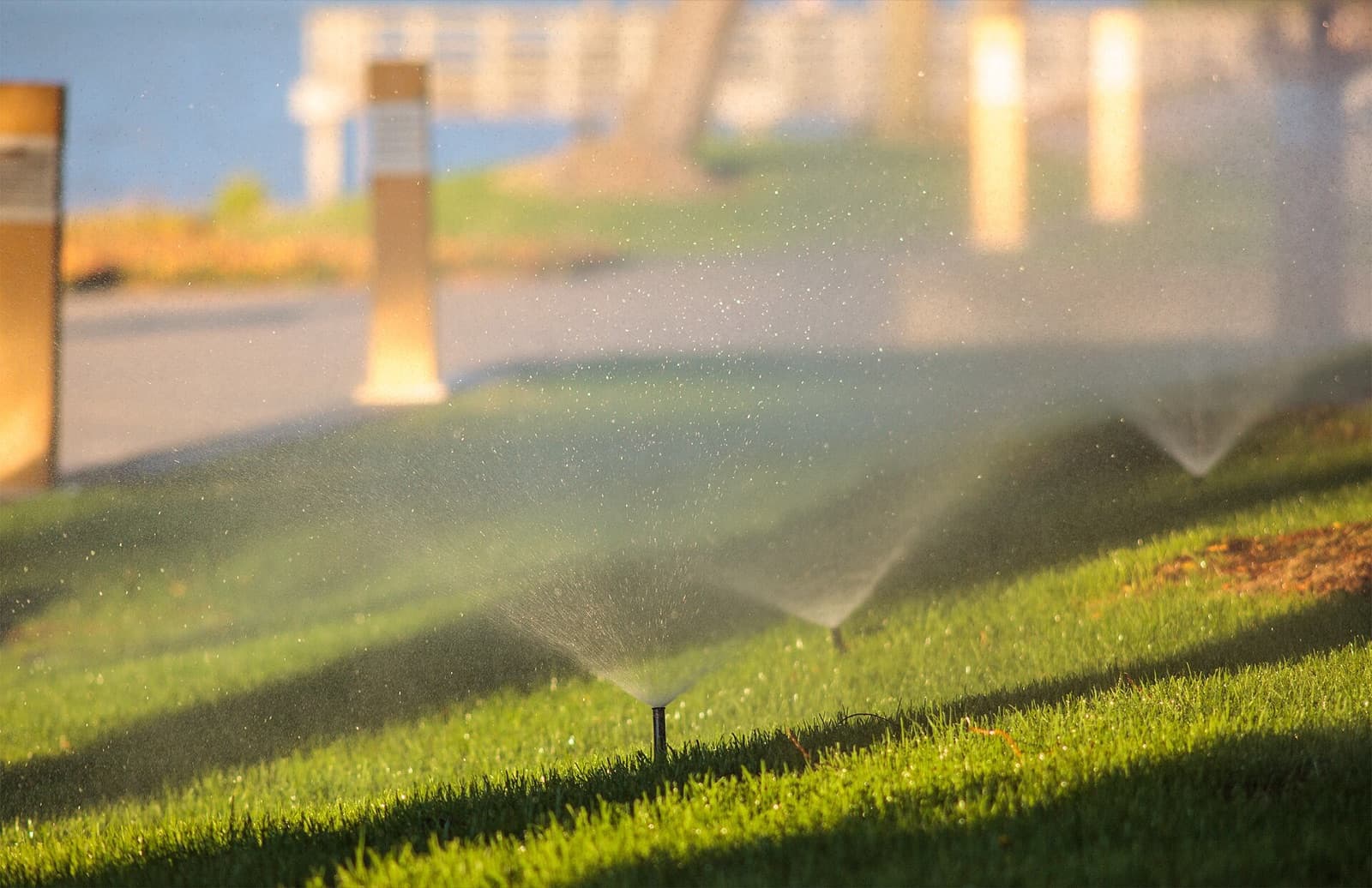
Warm days in the high 60s and 70s, cooling nights in the mid-40s to mid-50s: this week's forecast is close to ideal for getting a Tri-Cities lawn ready for winter. It's also closing in on a hard deadline: the Kennewick Irrigation District cuts off full water deliveries Oct. 12, as Tri-Cities Today reported. That leaves roughly two weeks for homeowners to aerate, overseed or fertilize and still have irrigation water to work new seed and roots into the ground.
Fall is the season lawn-care professionals point to for the year's most important yard work, not spring. A Tri-Cities aeration company notes that fall aeration is especially effective in Kennewick, Richland and Pasco because cooler air and steady irrigation help roots grow deeper before winter dormancy sets in, and it recommends most lawns here be aerated once a year, in September or October, according to Lawn Aerating and Thatching Tri-Cities. Doing it now means grass roots can recover without fighting triple-digit heat, the company says.
Why aerate first
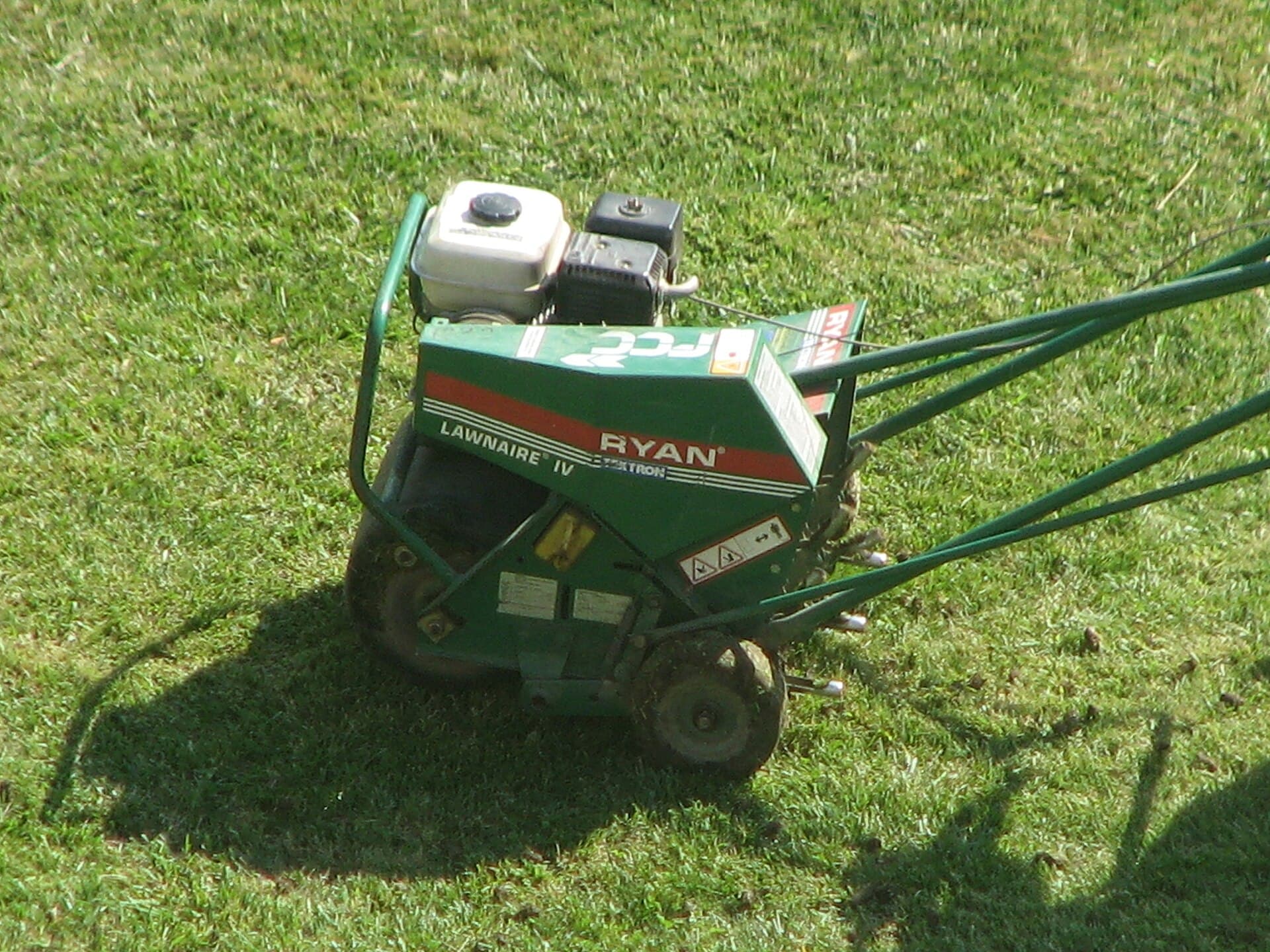
Compacted soil is the core problem aeration solves. A local aeration provider describes the region's soil as compacted and clay-heavy, and says punching holes in September or October lets grass recover quickly before summer heat returns, the company says. The process leaves small plugs of soil on the surface — normal, and not a sign anything went wrong. Those plugs break down within one to two weeks on their own, faster with regular watering or rain, and return nutrients to the soil as they dissolve, the company says. Most homeowners see a visibly greener lawn within two to four weeks, since Tri-Cities lawns tend to green up faster in both spring and fall than in other seasons.
If your lawn is hard-packed and won't take a screwdriver more than an inch into the ground, aerate before you overseed. Washington State University Extension's statewide Home Lawns guide advises that when a lawn is hard and compacted, aerifying opens the soil so seed and water can actually reach the root zone, according to the WSU publication.
Overseeding: use half the normal rate
Once the lawn is aerated, bare or thin patches are the best candidates for overseeding. WSU Extension's guidance is specific: overseeding an established lawn should use about half the seeding rate that's recommended for starting a lawn from scratch, per the Home Lawns publication. Overseed heavily and you risk overcrowding and disease; too light and thin spots won't fill in.
Grass selection matters here too. WSU Extension specifically warns against planting Zoysia, bermuda, dichondra, centipede, carpetgrass, St. Augustine and mondograss in Washington lawns, since none of those are adapted to the state's climate, the extension guide notes. Stick with cool-season grasses (Kentucky bluegrass, perennial ryegrass, fine or tall fescues), the standard choices for this region that will tolerate the freeze-thaw cycles that follow irrigation shutoff.
Fertilizing before dormancy
A final round of fertilizer in late fall helps grass build strong roots, store nutrients, and prepare for spring green-up, a Tri-Cities lawn service explains. This "winterizer" application is different from a summer feeding — it's meant to fuel root growth underground rather than push top growth you'll just have to mow. A regional lawn-care calendar for the Pacific Northwest advises homeowners to slow down on mowing in fall and shift into winterizing mode instead, according to LawnStarter.
Timing the fertilizer application to land before the Oct. 12 shutoff matters, since new fertilizer needs water to activate and soak into the root zone rather than sit on top of dry turf.
Watch for local weed and pest pressure
The region's dry summers and light rainfall create conditions that favor both weeds and turf pests. A Kennewick-based lawn and pest company notes that light rainfall here tends to invite dandelions, clover, oxalis, spurge, crabgrass and chickweed, while hot, dry summers create dry patches that attract billbugs and grubs, according to Senske. Fall aeration and overseeding crowd out bare soil where these weeds get a foothold, and a healthy root system going into winter makes the lawn more resistant to pest damage next spring.
Get local advice: WSU Master Gardener plant clinic
For questions specific to your soil, grass type or yard, the WSU Extension office serving Benton and Franklin counties runs a free Master Gardener plant clinic. It's open Tuesday through Thursday, 9 a.m. to 4 p.m. (closed noon to 1 p.m.), through October, and can be reached at 509-736-2726, according to WSU Extension. The extension office describes itself as the best source for gardening information in the Mid-Columbia region, tailored to what actually grows well in local soils and climate, per WSU Extension of Benton & Franklin Counties.
Homeowners who'd rather hire the work out can find local aeration, overseeding and fertilization services; one Kennewick-area provider lists 509-948-2401 for estimates, according to Tri City Lawns.
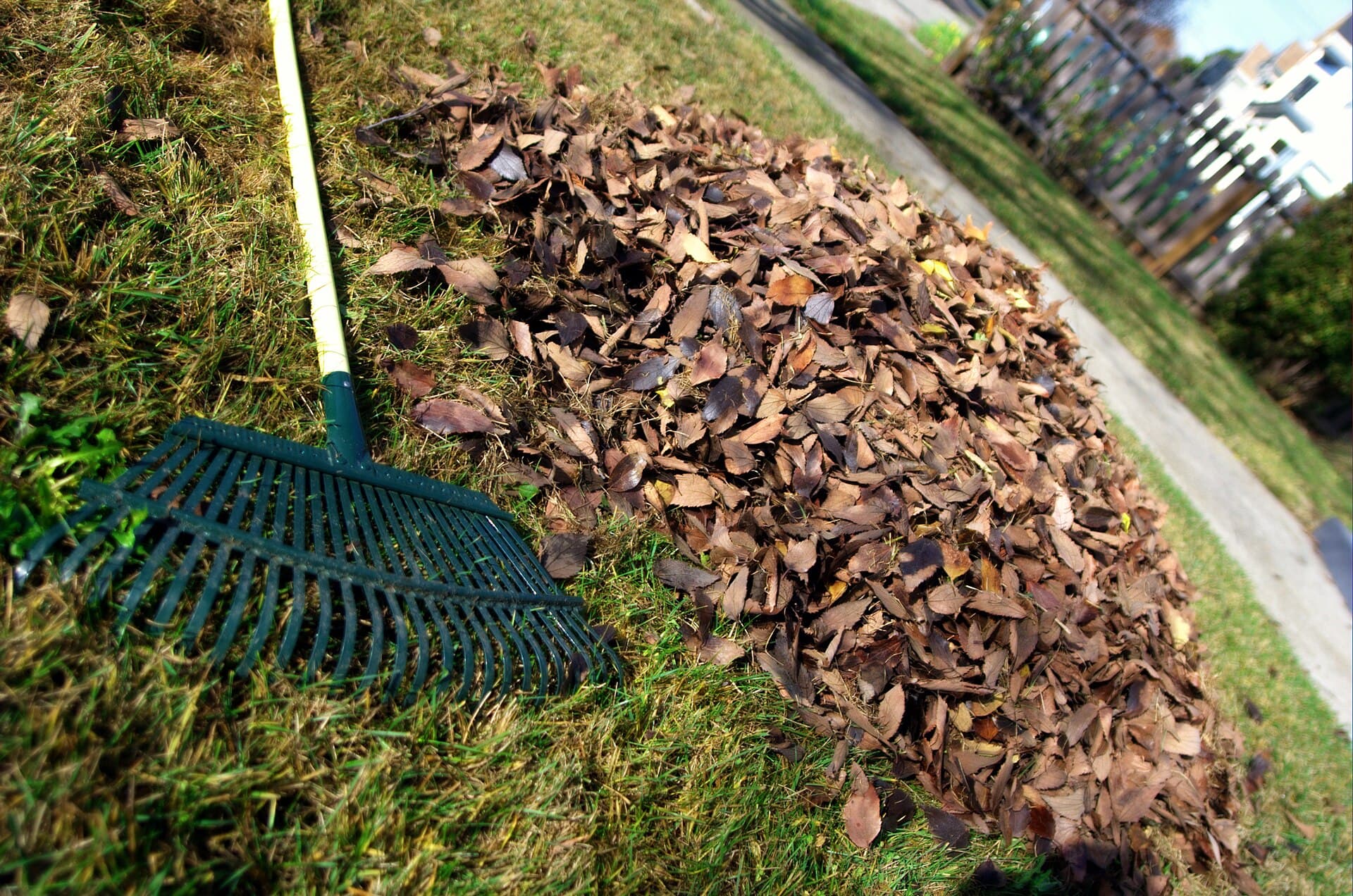
Once the lawn work is done, don't forget the rest of the fall checklist. Yard-waste and leaf-disposal rules vary by city — see our fall yard-waste disposal guide for what Kennewick, Pasco, Richland and West Richland each require. And before the first cold snap hits, it's worth lining up furnace service now while rebates and appointment slots are still open.
Fall lawn checklist
- Aerate compacted areas now, while soil is workable and before irrigation shuts off Oct. 12.
- Overseed bare or thin patches at half the seeding rate used for new lawns.
- Stick to cool-season grasses (bluegrass, ryegrass, fescue), not warm-season varieties WSU warns against.
- Apply a winterizer fertilizer while you still have water to activate it.
- Water new seed and fertilizer in daily until shutoff, then rely on rainfall.
- Call the WSU Master Gardener clinic at 509-736-2726 with soil or grass-type questions before October ends.
Frequently asked questions
Do I need to aerate every year? Most Tri-Cities lawns need aeration about once a year, according to Tri City Lawns, given the region's compacted soil.
Will the soil plugs left after aeration hurt my lawn? No. They're a normal byproduct of the process and typically break down within one to two weeks, faster with watering or rain, per Tri City Lawns.
How much grass seed should I use when overseeding? About half the rate recommended for establishing a brand-new lawn, according to WSU Extension's Home Lawns guide.
What if I can't get to aeration or fertilizing before the Oct. 12 water shutoff? Watering by hose can make up for lost irrigation deliveries in small amounts, but for larger lawns it makes sense to prioritize the work in the next two weeks while irrigation water is still flowing, or to call the WSU Master Gardener clinic (509-736-2726) and ask whether a later window still works for your yard.