The fog, light rain and lows in the low-to-mid 30s moving through the Tri-Cities this week aren't just uncomfortable for walking the dog — they're the exact conditions Washington State University Extension points to as the last good stretch to fertilize and mow a lawn before the ground firms up for winter.
"If you haven't fertilized your lawn this fall, go and do it," the WSU Extension Benton-Franklin County Master Gardener newsletter advises in its guidance on getting the lawn and garden ready for winter. The newsletter calls fall the best time of year to fertilize turf, with a second application recommended in early November — which is right now.
There's no city ordinance or utility deadline forcing this the way there is with irrigation shutoff dates that local utilities enforce each fall. Lawn fertilizing is just a recommended seasonal window, and this week's cool, damp weather is the practical trigger to use it before the soil turns hard and cold.
Why the Columbia Basin's sandy soil changes the advice
Generic lawn-care tips written for the rest of the country often assume clay soil that holds water and nutrients. The Tri-Cities sit on sandy, fast-draining Columbia Basin soil that does neither well, which is why local extension guidance differs in a few specific ways.
A Columbia Basin Herald lawn-care piece citing WSU Extension notes that eastern Washington lawns only need nitrogen fertilizer, unlike west-side lawns that need mixed fertilizer blends. The same guidance recommends applying nitrogen around early November and suggests a sulfur-containing fertilizer specifically because it improves turf color and reduces disease and weed damage in this soil type.
The final mow matters more than people think
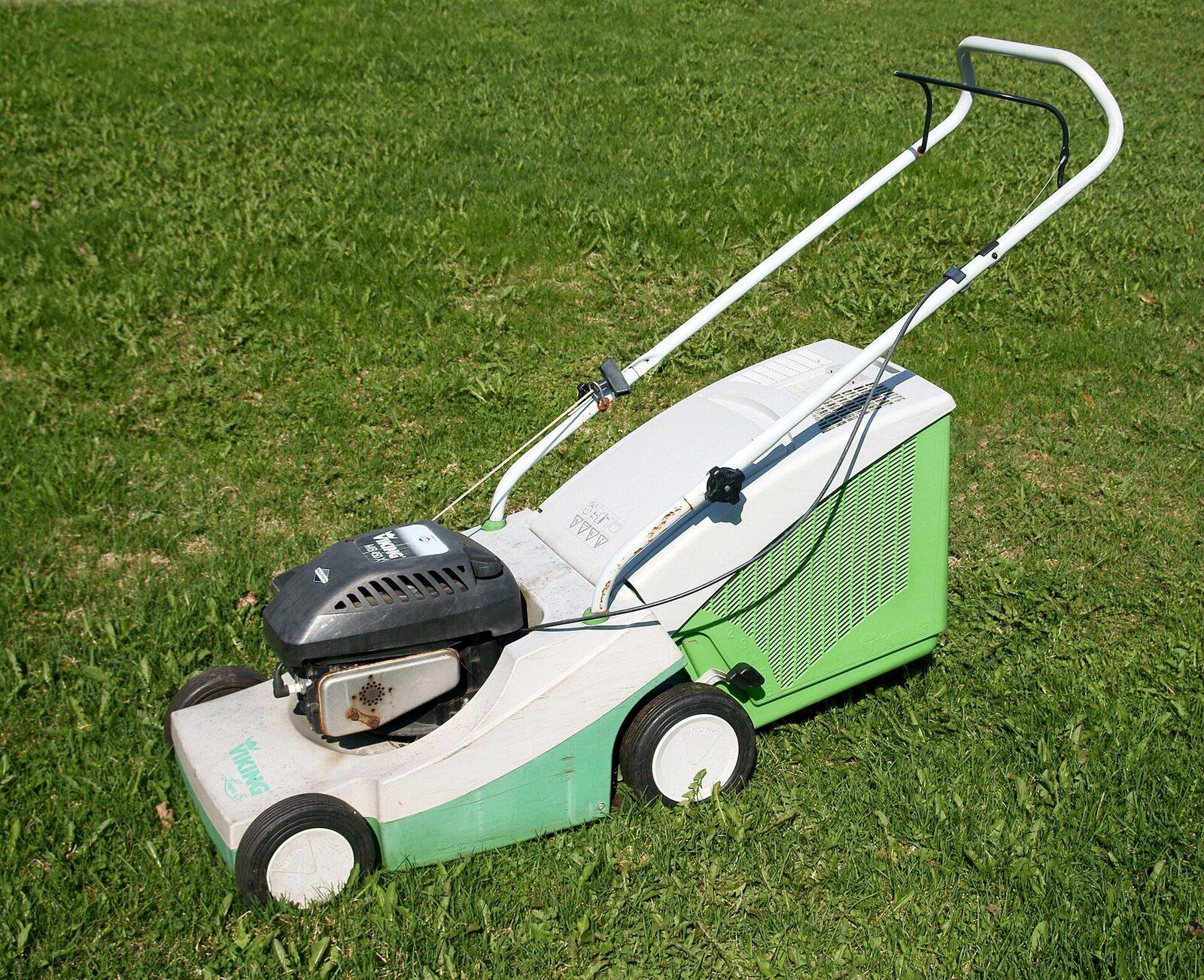
If a lawn has grown taller than its normal mowing height heading into winter, WSU Extension says to mow it down before the cold sets in. Overly long grass going into winter is more vulnerable to drying out and suffering cold-temperature injury once frost and freezing nights arrive, according to the WSU Extension newsletter.
That means this week's milder, damp stretch — before Friday night's lows drop into the low-to-mid 30s — is a reasonable last chance to get the mower out one more time.
Skip the bagger
The Columbia Basin Conservation District's lawn care guidance, sourced from WSU Extension, recommends leaving grass clippings on the lawn rather than bagging them. Clippings break down quickly and add nitrogen back into sandy soil that doesn't hold nutrients well to begin with. The conservation district also notes that the common belief that clippings worsen thatch buildup isn't actually true.
Clear the leaves, but water deep first
Leaves piling up on turf should come off before winter rather than being left to smother the grass underneath, per the WSU Extension newsletter. Residents who haven't finished fall cleanup should check their city's yard-waste pickup schedule for collection windows before the ground gets too wet or frozen for curbside pickup.
On watering, the conservation district advises going deep rather than frequent — enough to reach at least six inches into the soil so roots grow down instead of staying shallow. Shallow-rooted lawns handle swings in temperature and moisture far worse, which matters heading into a Tri-Cities winter that can swing from damp and foggy to a hard freeze within days.
This week's checklist
- Mow now if grass is taller than your normal cutting height — don't let it go into winter long.
- Fertilize with nitrogen (and consider a sulfur-containing product) if you haven't already; early November is the recommended window here.
- Leave clippings on the lawn instead of bagging them.
- Rake or blow leaves off turf before they mat down and smother grass.
- Water deeply, not frequently, aiming to soak at least six inches down before winter.
Frequently asked questions
Is there an official deadline to fertilize before winter? No. Unlike irrigation shutoff dates enforced by local utilities, fertilizing isn't tied to a municipal deadline. WSU Extension's guidance is a recommended seasonal window — generally fall, with a second application around early November — rather than a hard cutoff.
Do I need a different fertilizer than what's sold for lawns elsewhere? Eastern Washington lawns generally only need nitrogen, according to WSU Extension guidance reported by the Columbia Basin Herald, rather than the broader nutrient mixes recommended for soils on the west side of the state. A sulfur-containing fertilizer is also suggested locally to help color and reduce disease and weed pressure.
Should I bag my grass clippings this time of year? No — the Columbia Basin Conservation District recommends leaving clippings in place. They decompose quickly, return nitrogen to sandy soil, and don't meaningfully add to thatch, despite the common assumption otherwise.
Who can I call if I have a lawn problem I can't diagnose? WSU Extension's Benton-Franklin Master Gardeners run a free "Ask a Master Gardener" plant clinic at 509-736-2726, Monday through Thursday from 9 a.m. to 4 p.m. (closed for lunch between noon and 1 p.m.). The Benton-Franklin Extension office is also located at 7102 W. Okanogan Place, Suite 102, in Kennewick, and can be reached at (509) 735-3551.
With lows dipping into the 30s through Friday night, the practical window for one more mow and a fertilizer application is this week, before the soil firms up for the season.