Overnight lows in Kennewick are sliding from the low 40s tonight to 35 degrees by Monday night, according to the National Weather Service forecast — the first real stretch of near-freezing nights this season. It's not a hard freeze yet, but it's close enough that homeowners who haven't disconnected hoses or checked exposed pipes should do it this weekend, not after a pipe already cracks.
Kennewick's average first frost date was October 25, according to Farmers' Almanac data reported by 102.7 KORD, so the region is already past typical first-frost timing. A true hard freeze — 28 degrees or below, cold enough to do real damage to unprotected plumbing — can show up by mid-to-late November in a normal year.
The city of Kennewick issued its own cold-weather advisory listing the basics residents are supposed to know, and it's worth reading even if you don't live inside city limits, because the physics of a frozen pipe don't change at the city line.
What the city says to do before it freezes
Kennewick's public guidance centers on a handful of simple steps, outlined in a news flash on the city's website:
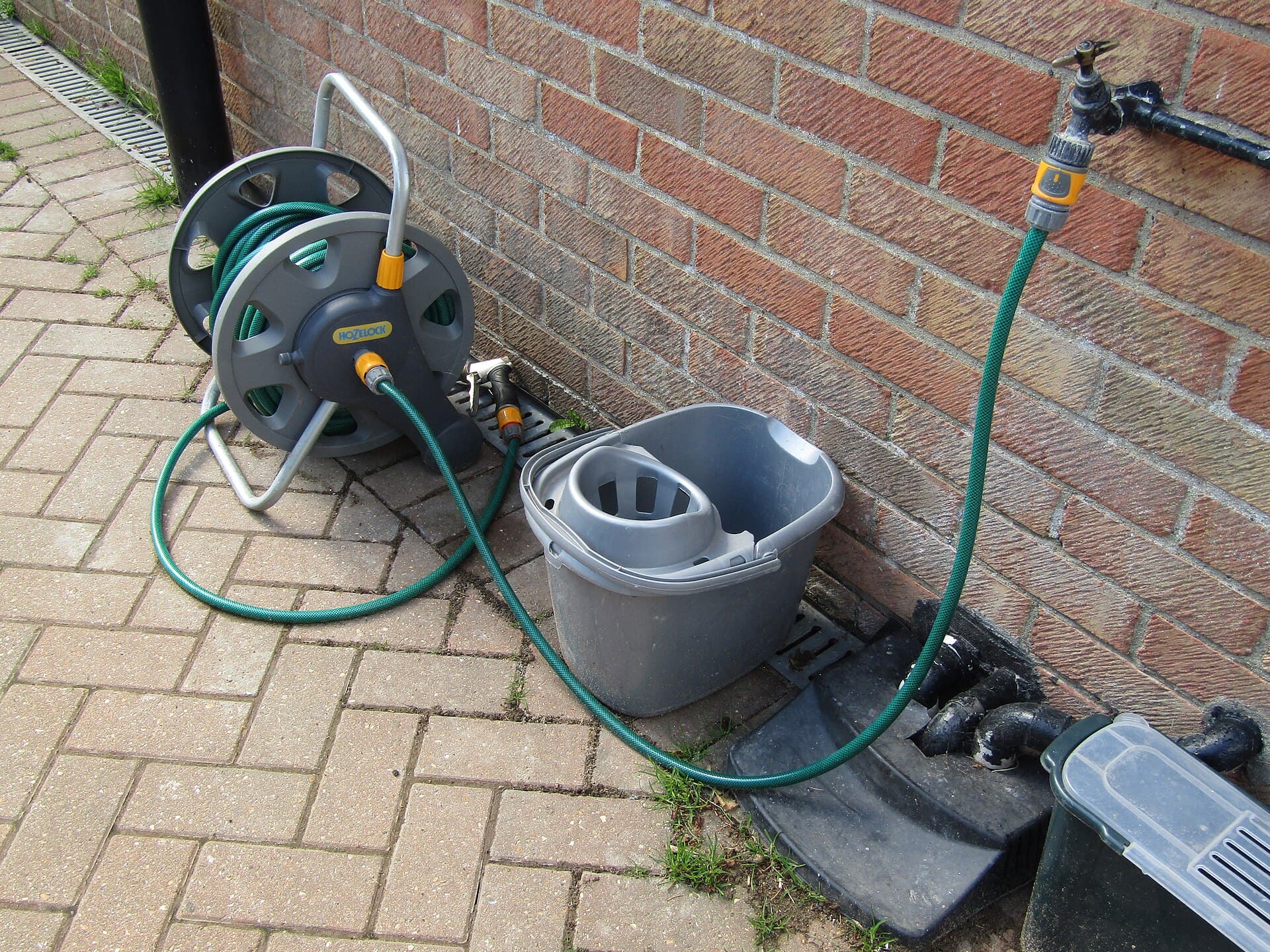
- Disconnect garden hoses from every outdoor spigot. A hose left attached traps water in the line and in the bib itself, and that trapped water is what splits pipes when it freezes and expands.
- Let faucets drip during the coldest stretches, especially any faucet on an exterior wall or above an unheated crawl space. Moving water is harder to freeze solid than standing water.
- If you're leaving home for days during cold weather, keep the heat running. The city's guidance says not to shut the heat off entirely, even if you're traveling for Thanksgiving or a winter trip.
None of this requires a plumber or any special tools. It's a short pass through the house and yard, and it's cheap insurance against a repair bill that can run into the thousands.
Where the risk actually hides
A local plumbing company, Z Plumberz, points to underground and outdoor lines as a particular risk area in Kennewick homes — which lines up with what other local plumbers say about freeze-prone spots in general: crawl spaces, garage walls and hose bib lines that run through uninsulated exterior walls.
These are the places worth a flashlight check before temperatures actually drop below freezing:
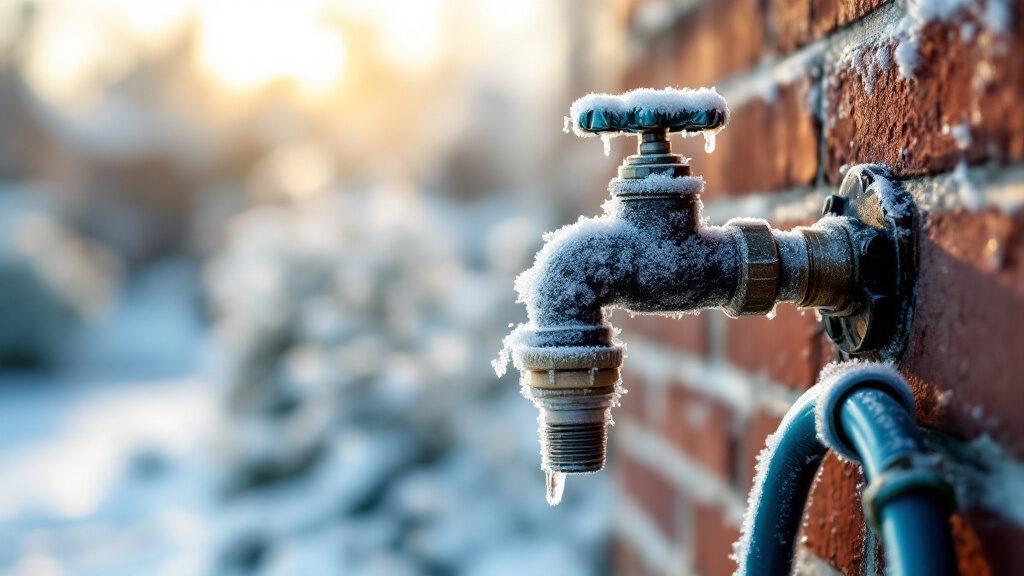
- Hose bibs and exterior faucets, especially ones on exterior walls with little insulation.
- Exposed pipes running through a garage, especially if the garage door gets left open regularly.
- Pipes in crawl spaces, which are often uninsulated and exposed to outside air.
- Backflow preventers and irrigation lines, which we've covered separately along with the broader rundown of irrigation shutoff dates by provider. If you haven't blown out your sprinkler system yet, that's a different job from the hose-bib and indoor-pipe prep covered here, and it needs to happen before the first hard freeze too.
If a pipe already froze — or burst
If you turn on a faucet and nothing comes out, or just a trickle, Kennewick's guidance says to leave the faucet on. Flowing water helps melt the ice inside the pipe, even if it's barely dripping at first. You can apply gentle heat to the section of pipe you suspect is frozen using a heating pad, an electric hair dryer, or a space heater kept a safe distance away — but never an open flame. The city's advisory, covered by NBC Right Now, warns against using a propane torch or any open flame to thaw a pipe because of the fire risk.
If a pipe actually bursts, the city's instructions are blunt: shut off the main water valve immediately, call a licensed plumber, and avoid standing water. Every homeowner should know where their main shutoff valve is before an emergency, not during one — it's usually near the water meter, in a basement, or in a utility closet near the front of the house.
Richland, Pasco and West Richland homeowners
Kennewick's advisory is the most detailed public guidance currently posted by a Tri-Cities water utility, but the basic steps apply no matter which city you're in: disconnect hoses, let vulnerable faucets drip, keep the heat on, and know your shutoff valve. Richland, Pasco and West Richland residents should also check their own city water utility's alerts page for any local guidance or water-main advisories specific to their system.
Freeze-prep checklist
- Disconnect and drain all garden hoses from outdoor spigots
- Insulate or wrap exposed hose bibs and any pipes in unheated garages or crawl spaces
- Open cabinet doors under sinks on exterior walls during cold snaps
- Know the location of your main water shutoff valve
- Keep the thermostat running even when you're away from home
- Finish any irrigation system blowout before the first hard freeze
Frequently asked questions
How cold does it need to get before pipes actually freeze? There's no single trigger temperature — it depends on insulation, wind, and how long the cold lasts. Pipes on exterior walls, in garages and in crawl spaces become more vulnerable the longer overnight temperatures stay below freezing.
Should I leave a faucet dripping all winter, or just during cold snaps? Just during the coldest stretches, typically when overnight lows are forecast below freezing. A slow drip, not a steady stream, is enough to keep water moving through vulnerable pipes.
Can I use heat tape on hose bibs and exposed pipes? Yes, heat tape designed for plumbing is a common fix for exposed outdoor lines, but follow the manufacturer's instructions and never wrap it over itself or leave it running unattended for extended periods.
What if I'm leaving town for Thanksgiving or longer? Keep the furnace running rather than shutting it off completely, disconnect your hoses, and ask a neighbor to check the house if you'll be gone during a cold stretch.
Residents outside Kennewick who want to see if their city has posted similar cold-weather guidance can check their local water utility's alerts page directly.