Overnight lows this week are already dipping into the low-to-mid 40s across the Tri-Cities, according to National Weather Service forecasts for Kennewick, and the freeze risk is no longer theoretical. A regional freeze warning already dropped temperatures to as low as 28 degrees in Umatilla, Morrow and Walla Walla counties, an alert that covered Pendleton, Hermiston, Boardman, Walla Walla and the Tri-Cities area, according to Elkhorn Media Group. The National Weather Service warned that cold could kill crops and sensitive vegetation — and damage unprotected outdoor plumbing.
That's the same plumbing many homeowners haven't touched since spring: hose bibs, exposed pipes in garages and crawl spaces, and water meters sitting in shallow underground boxes.
The countdown is shorter than you think
The Old Farmer's Almanac's 2026 fall frost projections, reported by KW3/KEPR, put the average first frost for Richland at Friday, Oct. 18, and for Pasco and Kennewick at Friday, Oct. 25. Connell, north of the metro area, is projected to see its first frost earliest, on Oct. 6.
Those are averages, not guarantees — the freeze warning already recorded this year shows the region can dip well below those dates when a cold air mass moves through. Homeowners who wait until the projected date to prep are cutting it close.
Why hose bibs and exposed pipes fail first
Outdoor faucets, known as hose bibs, are usually the first casualty of a hard freeze because they sit outside the insulated envelope of the house. Water damage restoration companies serving Pasco, Kennewick, Richland and Benton City routinely list frozen hose bibs and burst pipes among their most common winter calls, according to Cleaners Live!, confirming this is a recurring local problem rather than generic advice.
Water left inside a hose or a hose bib expands as it freezes, cracking the pipe or fitting even if the break doesn't show up until the spring thaw, when it can flood a wall or foundation.
Steps to take before the first freeze
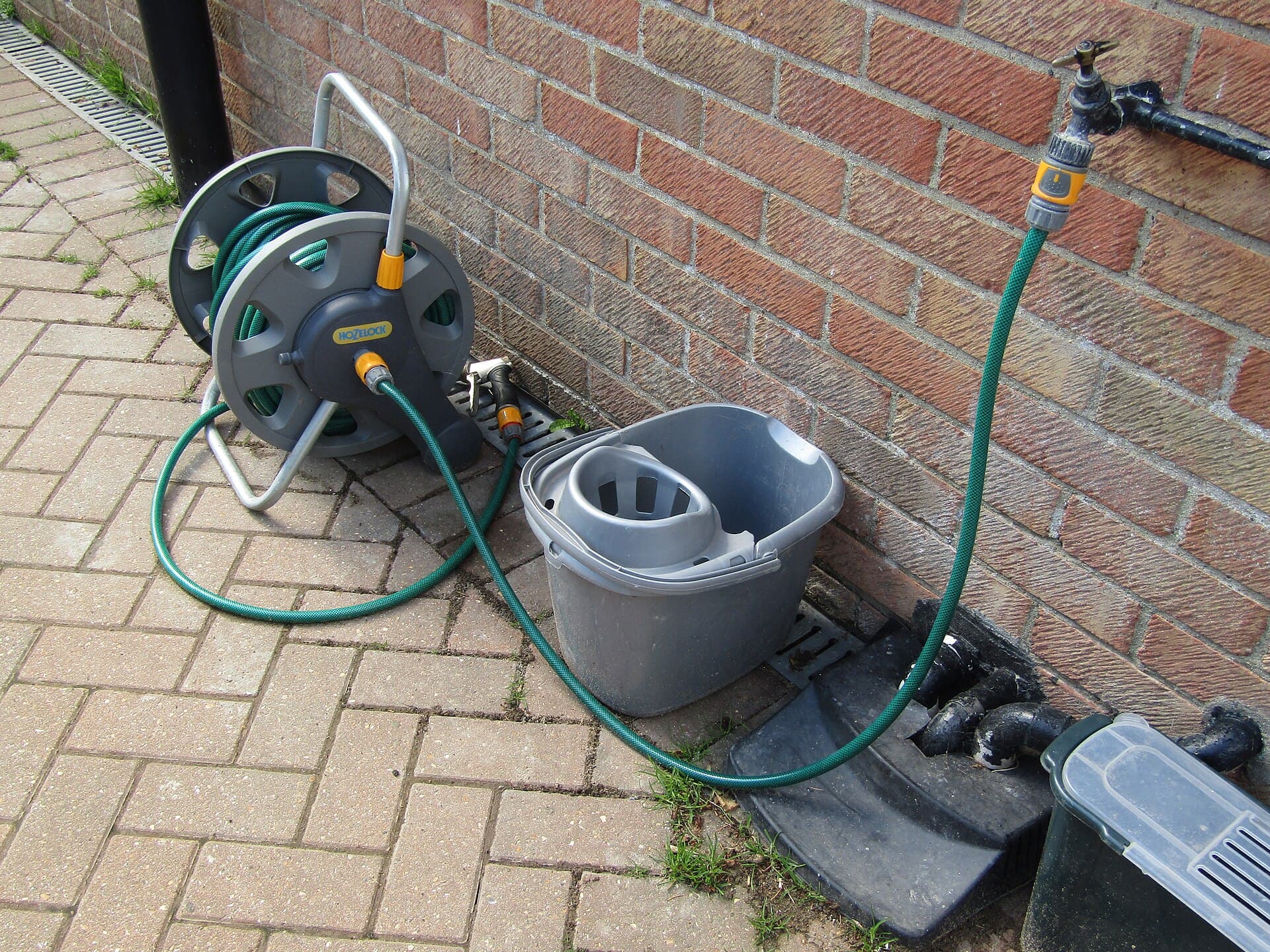
Disconnect and drain garden hoses. The City of Kennewick has urged residents to disconnect outdoor hoses from spigots before freezing weather hits, according to NBC Right Now. A hose left attached traps water in the bib itself, which is exactly what causes it to split.
Shut off and drain interior valves where you have them. Plumbing trade sources cited by State Farm recommend using an indoor shutoff valve, if your home has one, to cut water to outside faucets and drain the line before winter. Many Tri-Cities homes built in the last 20 years have these valves in a garage or basement; check the wall nearest each outdoor spigot.
Insulate exposed pipes. For pipes running through unheated garages, crawl spaces or exterior walls, wrap both hot and cold lines in pipe insulation, heat tape, or even layered newspaper covered in plastic to keep moisture out, a method recommended by Snohomish County PUD and applicable statewide. It's cheap insurance against a burst line in a garage that isn't heated.
Let a faraway faucet drip during hard freezes. On the coldest nights, run a slow trickle from the cold-water faucet farthest from your water meter, or one that's frozen before. Moving water is harder to freeze solid.
Keep the heat on if you travel. If you're leaving home for an extended period this fall or winter, the City of Kennewick recommends keeping the furnace running rather than shutting it off completely, even if you turn the thermostat down. A cold, empty house is the classic setup for a frozen and burst pipe that nobody discovers for days.
Don't forget your water meter. Meters sit in shallow boxes near the curb or property line and can freeze, crack or leak in a hard freeze. If that happens, Kennewick residents can call the city's Water Distribution division at (509) 584-4419.
Irrigation systems need more than a spigot shutoff
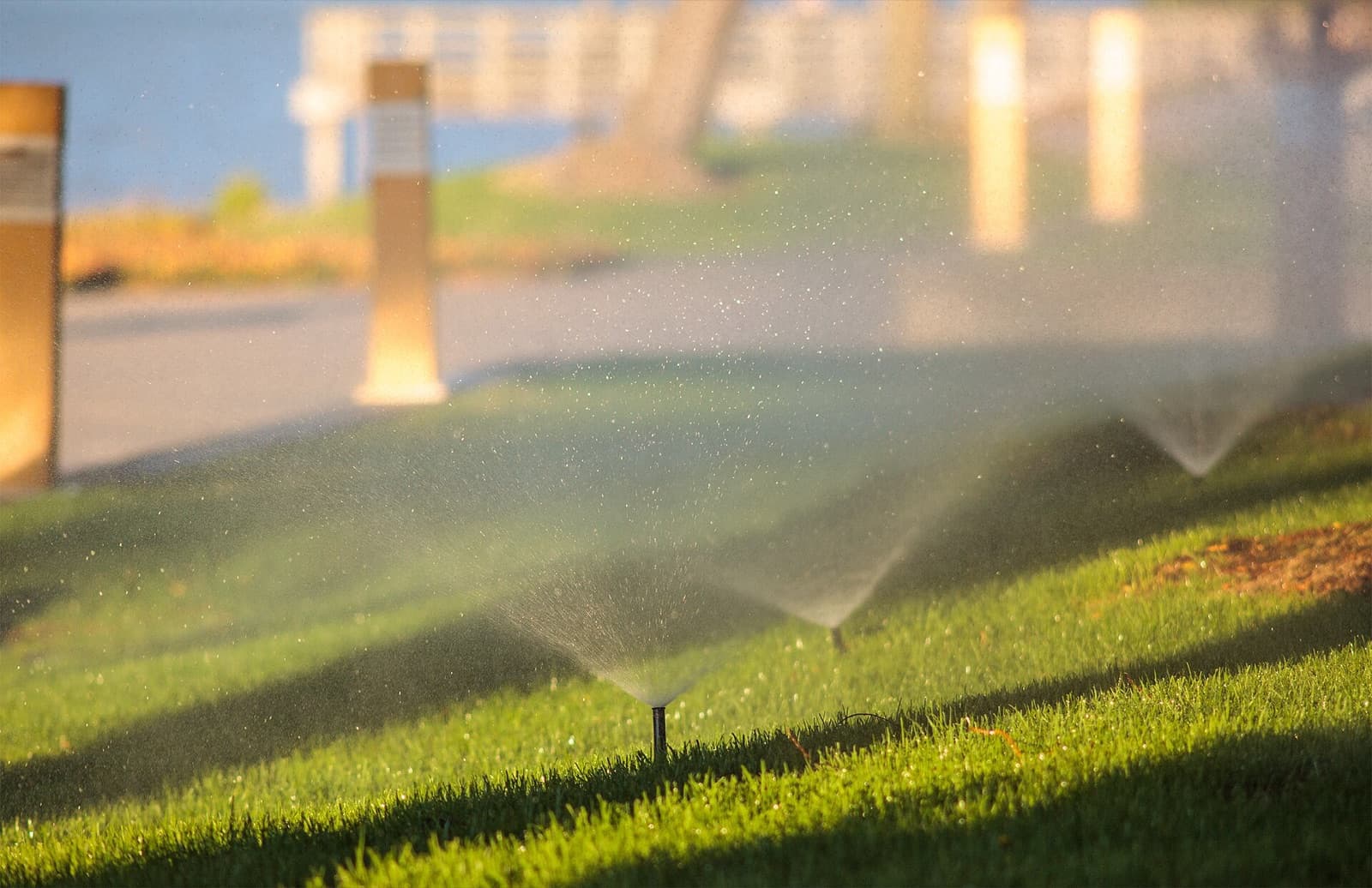
Underground lawn sprinkler systems are a separate problem from hose bibs and household pipes. According to the Farmers' Almanac, irrigation systems need to be shut off and actively blown out with compressed air, not just switched off at the valve, to force out standing water that would otherwise crack underground pipes and fittings.
That work follows directly from Kennewick Irrigation District's shutoff schedule, which ends full water deliveries Oct. 12. Once KID turns off the taps, homeowners on district water still need a proper blowout of their own sprinkler lines before a freeze hits. Residents who'd rather not rent a compressor and do it themselves can hire a local sprinkler winterization service, such as Tri-Cities Blowouts.
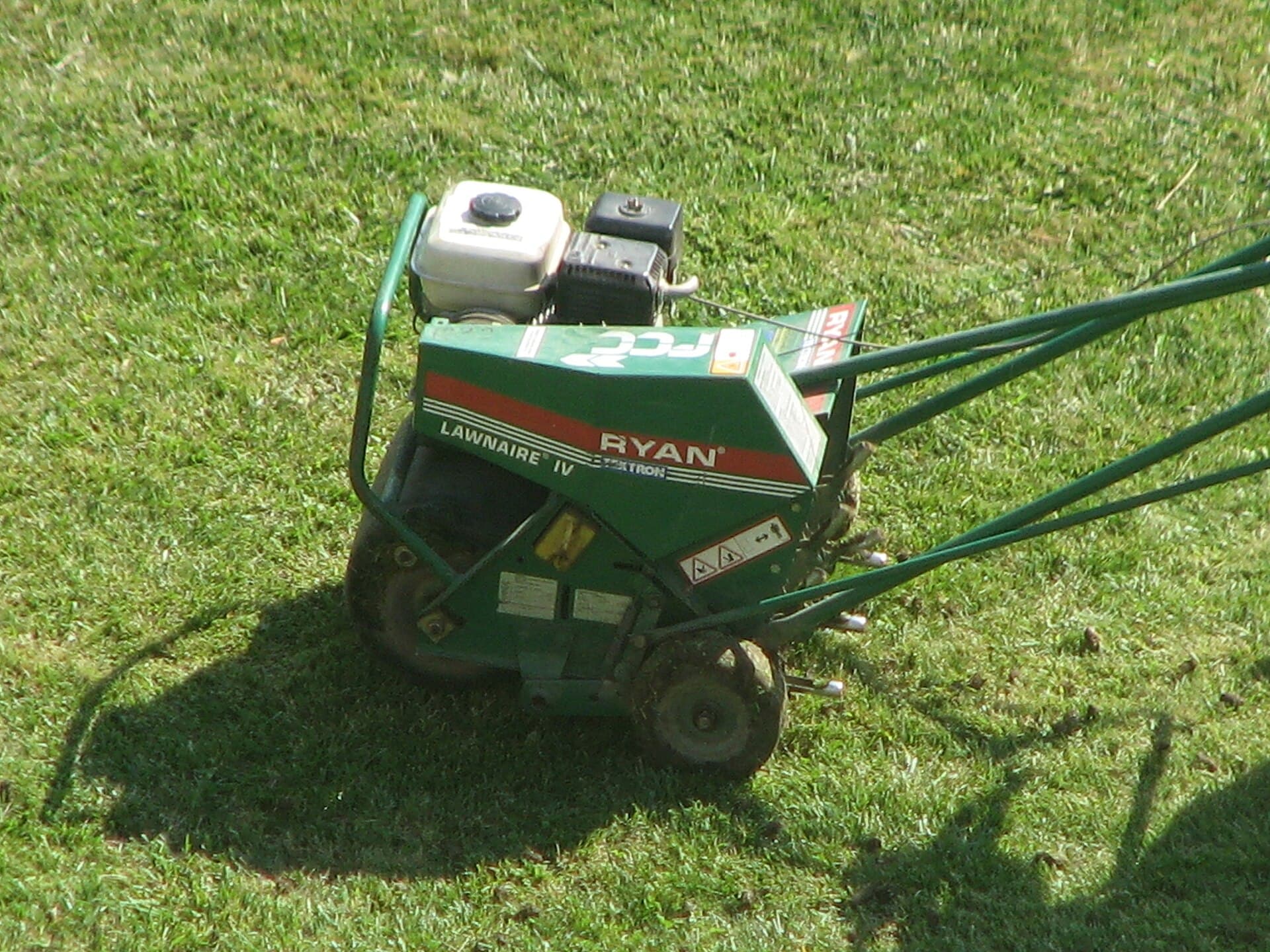
Homeowners tackling both outdoor plumbing and their lawn this fall may also want to review aeration and overseeding timelines before the ground gets too cold to work.
Frequently asked questions
What temperature causes pipes to freeze? Pipes are generally at risk once outside air holds near or below 32 degrees for several hours, especially for lines in unheated or exposed spaces. The freeze warning already recorded this year hit 28 degrees regionally, well past the threshold for damage to unprotected plumbing.
Who do I call if my pipe or water meter freezes in Kennewick? Call the city's Water Distribution division at (509) 584-4419, per guidance reported by NBC Right Now. Pasco, Richland and West Richland residents should check their city's public works or utility billing page for an equivalent number, since city-specific emergency contacts for those jurisdictions weren't available at publication.
Is a hose bib freeze covered differently than a burst indoor pipe? Not usually — both fall under standard homeowners insurance for sudden and accidental water damage, though a slow leak from neglect can be denied. Insurers, including guidance published by State Farm, recommend prevention specifically because claims and cleanup costs after a freeze can be substantial.
Do I need to blow out my sprinkler system separately from protecting household pipes? Yes. Household pipe insulation and hose bib shutoffs don't clear water from underground irrigation lines. Those need a compressed-air blowout, which most homeowners either rent equipment for or hire out locally.