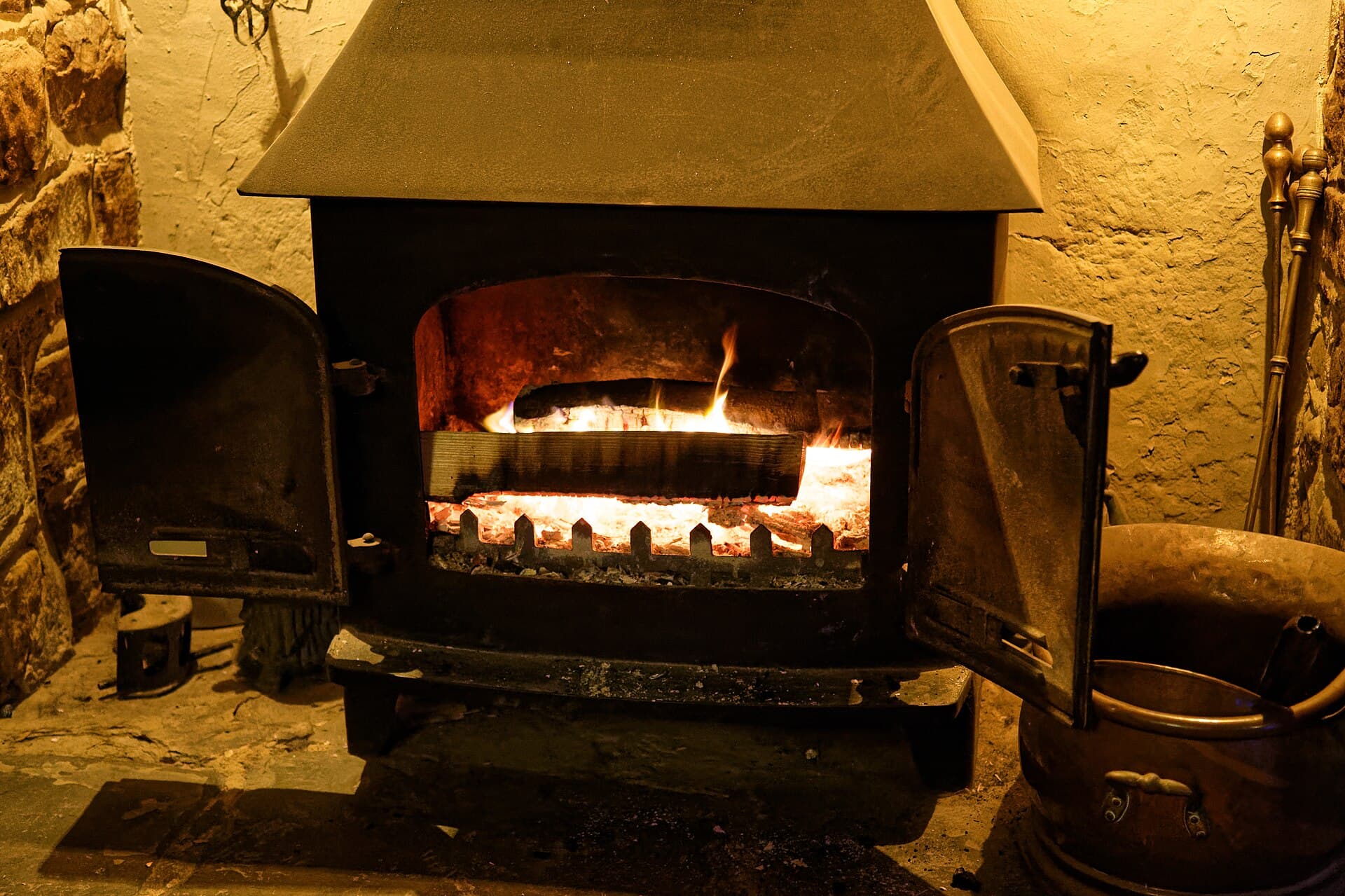
Patchy frost and lows near 35 degrees are settling over the Tri-Cities this weekend, the kind of cold snap that sends a lot of households to the garage for firewood for the first time this season. Before you strike a match in that fireplace or wood stove, a few local rules and safety checks are worth five minutes of your time — and one of them could put $500 in your pocket.
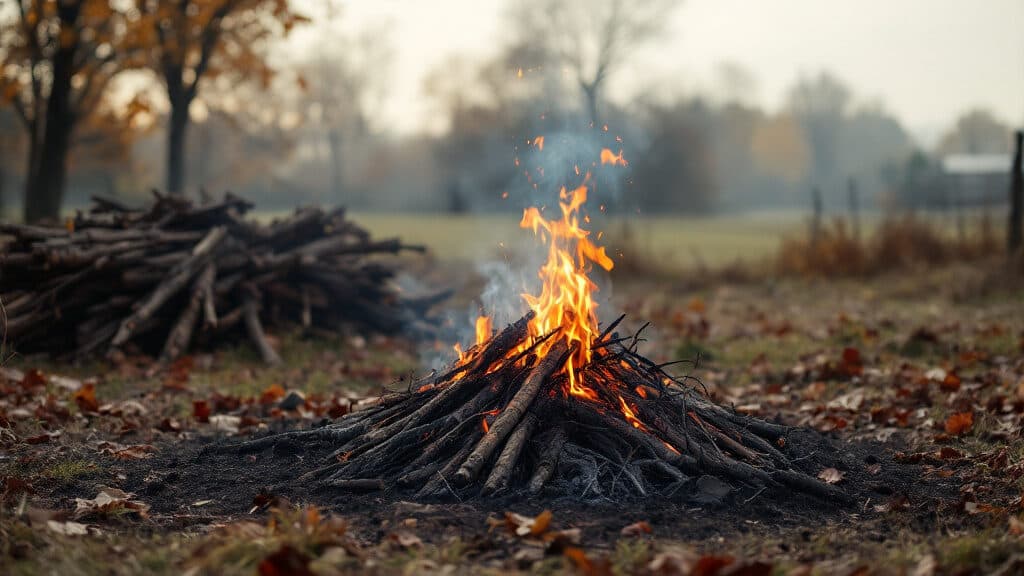
This guide covers indoor wood-burning appliances specifically. For rules on yard debris and outdoor burn piles, see our fall outdoor burning rules guide. For furnace and pipe prep as temperatures drop, see our freeze prep checklist.
Have your chimney checked before you light up
A stove or fireplace that sat unused since last winter can collect creosote, nests or debris in the flue. Before lighting it for the first time this season, check that the damper opens and closes fully, that the flue is clear, and that there's no visible cracking in the firebox or chimney liner. If it's been more than a year since your last inspection, a professional sweep is worth the cost, especially in a region where cold snaps can arrive suddenly and send everyone reaching for matches at once.
The $500 program most Benton County residents haven't heard of
The Benton Clean Air Agency is running a wood stove recycling program for its 2025-2027 cycle that pays $500 to residents who turn in an old, uncertified wood stove. As of the agency's own count, 22 applications remain available in this cycle — once they're gone, the incentive goes away until the next funding round.
To qualify, according to the agency's program rules:
- The stove must be uncertified and non-compliant with 2020 federal New Source Performance Standards.
- You must live in and pay taxes in Benton County.
- The stove must have been installed and used in a Benton County home and still be in working order.
- Only two stoves per address are eligible.
- Indoor barrel stoves, pellet stoves, homemade stoves and trash burners do not qualify.
The agency's website did not list an explicit application deadline at the time of this writing, only the running count of remaining slots. Residents who think they qualify should contact Benton Clean Air Agency directly through its website to confirm current application steps before assuming a spot is available.
One open question: Benton Clean Air Agency's jurisdiction covers Benton County, which includes Kennewick, Richland, West Richland and Benton City. It's not clear from available information whether Franklin County — including Pasco — has an equivalent swap-out incentive. Pasco-area residents with old wood stoves should check with Franklin County's air quality or public health office directly, since this program does not appear to extend across the river.
Burn bans and inversions can affect your stove, too
Benton Clean Air Agency posts a daily burn decision that governs outdoor residential burning. On Oct. 5, the day we checked, burning was allowed from 9 a.m. to 5:30 p.m., but only outside urban growth areas and only with dry natural vegetation. That's a separate system from indoor wood stoves. Winter temperature inversions, which trap stagnant air and smoke close to the ground in the Columbia Basin, are a known regional air-quality issue, and some areas ask residents to curtail indoor wood burning during the worst inversions. Benton Clean Air Agency's exact triggers and notification process for any indoor wood stove curtailment weren't spelled out on its website as of this writing; residents should check the agency's site or call before assuming a blanket rule applies.
Local fireplace installers note that EPA-certified pellet stoves and inserts are often treated differently than old-style wood stoves during these events. Find My Fireplace, a fireplace retailer serving Kennewick, says "many jurisdictions exempt" EPA-certified pellet appliances "from wood-burning curtailment periods during inversion advisories" — a real factor in a valley prone to winter inversions that trap smoke close to the ground. If you're shopping for a replacement stove anyway, that's worth asking about.
On declared "extreme fire danger" days, restrictions go further. Local fire districts have the authority to ban all outdoor burning, including recreational and warming fires and even tumbleweed burning, according to 102.7 KORD. Those bans target outdoor fires, but they're a reminder that this region's air quality rules shift fast with the weather, and it pays to check current status before assuming last week's rules still apply.
Don't skip the carbon monoxide alarm
Washington has required carbon monoxide alarms in new construction since January 1, 2011, and in nearly all existing homes — including existing single-family houses, apartments, condos, hotels and motels — since January 1, 2013, under state law (RCW 19.27.530), as confirmed by the state Department of Health. A wood stove or fireplace that isn't drafting properly is a classic source of indoor CO buildup, so this is not a law to treat as optional once you start burning regularly.
There's one notable carve-out: owner-occupied single-family homes that were legally occupied before July 26, 2009, are not required to install a CO alarm until the home is sold, according to the Department of Health. If you've owned an older Tri-Cities home since before that date and haven't sold it, you may be grandfathered out of the requirement — but installing an alarm anyway is a cheap way to protect against a real risk, especially the first few times you fire up a stove each season.
Quick checklist before your first fire
- Inspect the chimney or flue, and get it swept if it hasn't been checked this year.
- Check that your damper opens and closes properly.
- Confirm you have a working carbon monoxide alarm, especially near sleeping areas.
- If you have an old uncertified wood stove, check Benton Clean Air Agency's swap-out program before the 22 remaining slots are gone.
- Check the daily burn decision before any outdoor burning, separate from your indoor stove.
- Keep an eye on inversion advisories if you rely on an older, uncertified wood stove for heat.
Frequently asked questions
How do I apply for the $500 Benton Clean Air wood stove swap? Contact Benton Clean Air Agency directly through its website to confirm current application steps; the agency listed 22 remaining applications for this cycle but did not post a hard deadline.
Is there a similar program for Pasco or Franklin County residents? Benton Clean Air Agency's program appears limited to Benton County residents who pay Benton County taxes. No equivalent Franklin County program was identified; Pasco-area residents should check directly with Franklin County's environmental health office.
Do I legally need a carbon monoxide alarm in my Tri-Cities home? Yes, in most cases. Washington law has required CO alarms in nearly all existing homes since January 1, 2013. The main exception is owner-occupied single-family homes occupied before July 26, 2009, which aren't required to have one until the home is sold.
Will my old wood stove get shut down during a bad air day? Outdoor burning is governed by Benton Clean Air Agency's daily burn decision and can be restricted or banned entirely on extreme fire danger days. The agency's process for curtailing indoor wood stove use during winter inversions isn't detailed on its website, so residents should check directly. EPA-certified pellet stoves and inserts are often described as exempt from such restrictions, according to local fireplace retailers.