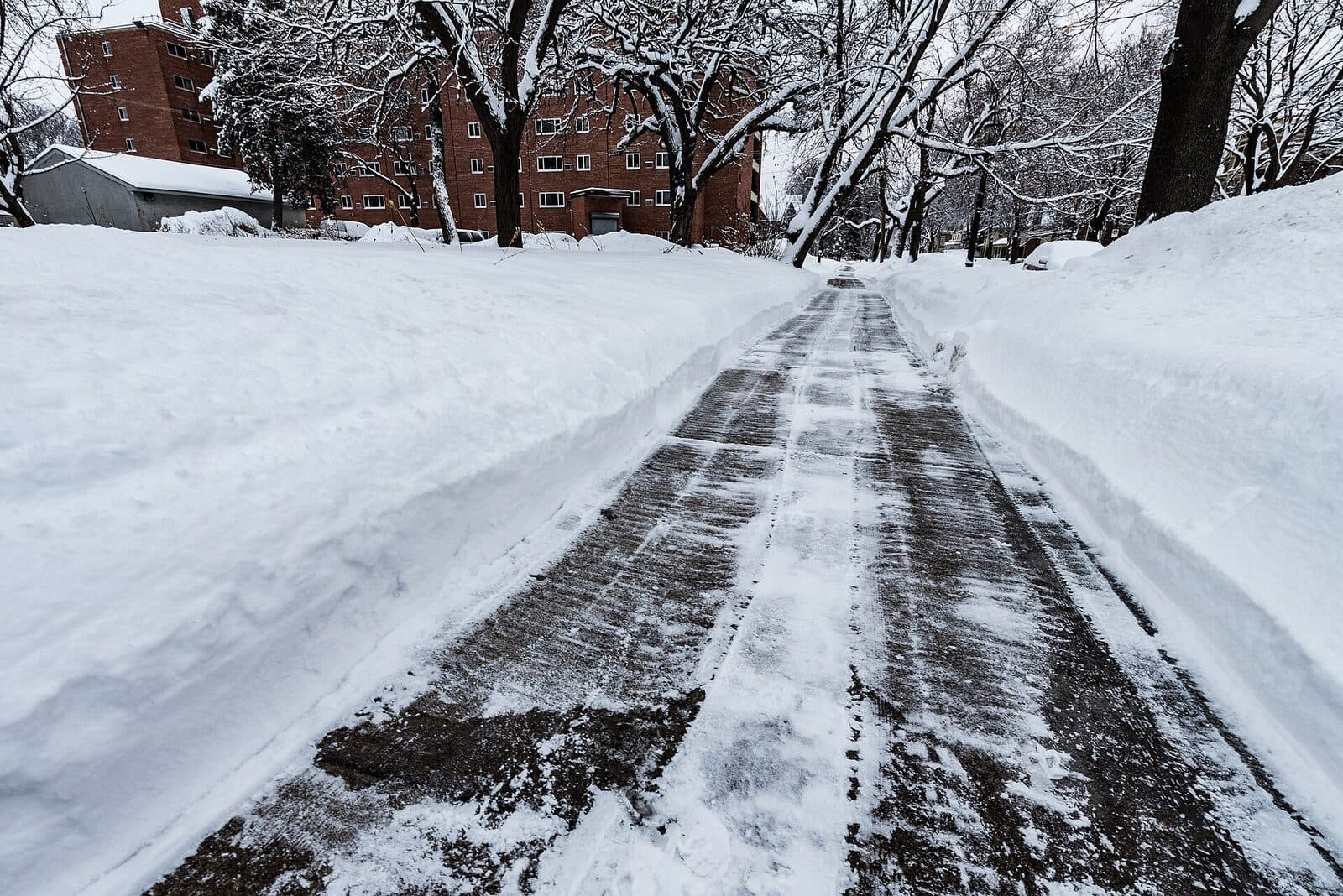
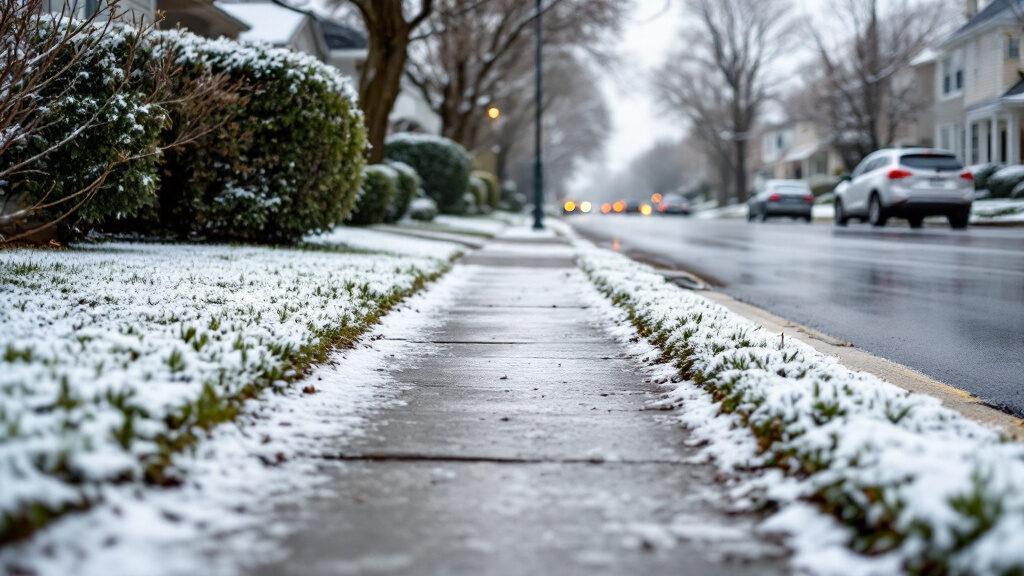
Rain is likely across the Tri-Cities on Sunday, with lows dropping into the 30s Monday and Tuesday nights, according to the National Weather Service in Kennewick. That's not snow yet, but it's close enough that homeowners should know the rules before the first real storm hits. In Kennewick, Richland, Pasco and West Richland, clearing the sidewalk in front of your house is your job, not the city's.
All four cities run what's called a residential responsibility model. Unlike some bigger Washington cities, none of these four send crews out to plow or shovel sidewalks fronting private property. That falls on the homeowner, landlord or business owner, and ignoring it can mean a code violation or liability if someone slips and gets hurt, according to a regional liability explainer from 97 Rock.
What each city's code actually requires
Kennewick puts snow removal from sidewalks squarely on "all citizens," according to the city's snow removal page. The city asks residents to shovel soon after snowfall and before ice sets up, and to pile the snow into the yard, not into the street. Corner-lot homeowners are asked to clear the sidewalk ramps so kids and other pedestrians can get across intersections safely, and the city specifically asks neighbors to check on elderly or disabled residents who might not be able to shovel themselves.
Kennewick also avoids pushing plowed snow into center turn lanes. The city says piled snow there blocks sightlines for drivers merging into traffic, and can melt and refreeze as ice in the cleared lanes next to it.
Richland spells the duty out in municipal code. Under RMC Title 12.16.020, anyone "having charge or control of any premises" in the city must remove snow or ice from the public sidewalk along their property within a reasonable time. The city's snow and ice FAQ page confirms the same standard applies to both residential and business property owners, as well as landlords.
Richland Fire also asks residents near a fire hydrant to keep a 3-foot clearance around it and maintain a shoveled path from the street, sidewalk or driveway to the hydrant. That detail matters if your house happens to sit next to one and an engine needs to hook up fast.
On the street side, Richland crews focus first on arterials, collector streets (including school zones) and steep inclines when forecasts call for ice or snow, applying anti-icing chemicals ahead of a storm when possible. The city also makes a plea to drivers: parking off the street, in a driveway, speeds up plowing significantly. Richland acknowledges the tradeoff: if you leave a car on the street, it's likely to get boxed in by plowed snow.
Pasco doesn't single out sidewalks as explicitly on its public snow page, but the city does lay out a three-tier priority system for plowing streets, according to Pasco's snow and ice control page. Crews hit major streets and intersections connecting hospitals, fire stations, police and EMS first. Next come streets near public schools, smaller main roads and intersections. Collector streets, transit routes and problem spots like steep hills, flagged by the Pasco Police Department, come last. The city is upfront that bike lanes and shoulders are used for snow storage, not cleared as part of the priority system, so don't expect a bike lane to be drivable during a storm.
West Richland's code places the same duty on property owners as Kennewick and Richland. Under the city's code enforcement rules, anyone with a property bordered by city right-of-way is responsible for cleaning, maintaining and repairing the public sidewalk out front, according to the city's code enforcement page and FAQ page.
Why your street might be plowed last
If you live on a quiet residential street in any of the four cities, don't expect a plow before the main roads are clear. All four cities prioritize emergency routes, school zones and arterials first. Residential side streets and cul-de-sacs typically come after those, if at all, in a lighter snow event. That's standard practice in most Washington cities this size, not something unique to the Tri-Cities.
What none of the four cities spell out clearly
None of the four published pages gives a hard deadline, like "shovel within 24 hours," the way some other Washington cities do. Richland's code says "within a reasonable time," which leaves room for interpretation. If you're unsure whether you're in compliance, your city's code enforcement office is the place to call before, not after, a neighbor complains.
It's also unclear whether Pasco or West Richland have an overnight parking ban during active snow events, the kind some colder-climate cities use to speed up plowing. Neither city's public pages confirm one exists, so don't assume it does. Check with public works directly if you're planning to leave a car parked on a Pasco or West Richland street overnight during a storm.
Quick checklist before the first snow
- Clear your sidewalk soon after snowfall, before it has a chance to turn to ice.
- Pile snow in your yard, not in the street or a center turn lane.
- If you're on a corner, clear the pedestrian ramps too.
- Check on elderly or disabled neighbors who may need help.
- If a fire hydrant sits near your property, keep a 3-foot clearance and a shoveled path to it.
- Move cars into your driveway when you can. It speeds up plowing for everyone on your street.
Frequently asked questions
Do I have to shovel the sidewalk in front of my house in the Tri-Cities? Yes, in Kennewick, Richland and West Richland, city code or published city policy makes sidewalk snow and ice removal the property owner's responsibility. Pasco's public snow page focuses on street plowing priorities rather than spelling out a sidewalk ordinance, so check with Pasco code enforcement if you want specifics for that city.
Can I pile shoveled snow in the street? No. Kennewick specifically asks residents to pile snow in their yard instead of the street, and warns against piling it in center turn lanes, where it can block driver sightlines and refreeze as ice in cleared lanes.
Which streets get plowed first in Pasco? Pasco uses a three-tier system: major streets and intersections near hospitals, fire and police stations go first; streets near schools and smaller main roads are second; collector streets, transit routes and flagged problem areas like steep hills come third.
What happens if I don't clear my sidewalk? Each city's pages describe the duty but don't publish a specific fine schedule online. Code enforcement in each city handles violations case by case, so call your city's code enforcement office directly if you have questions about potential penalties.