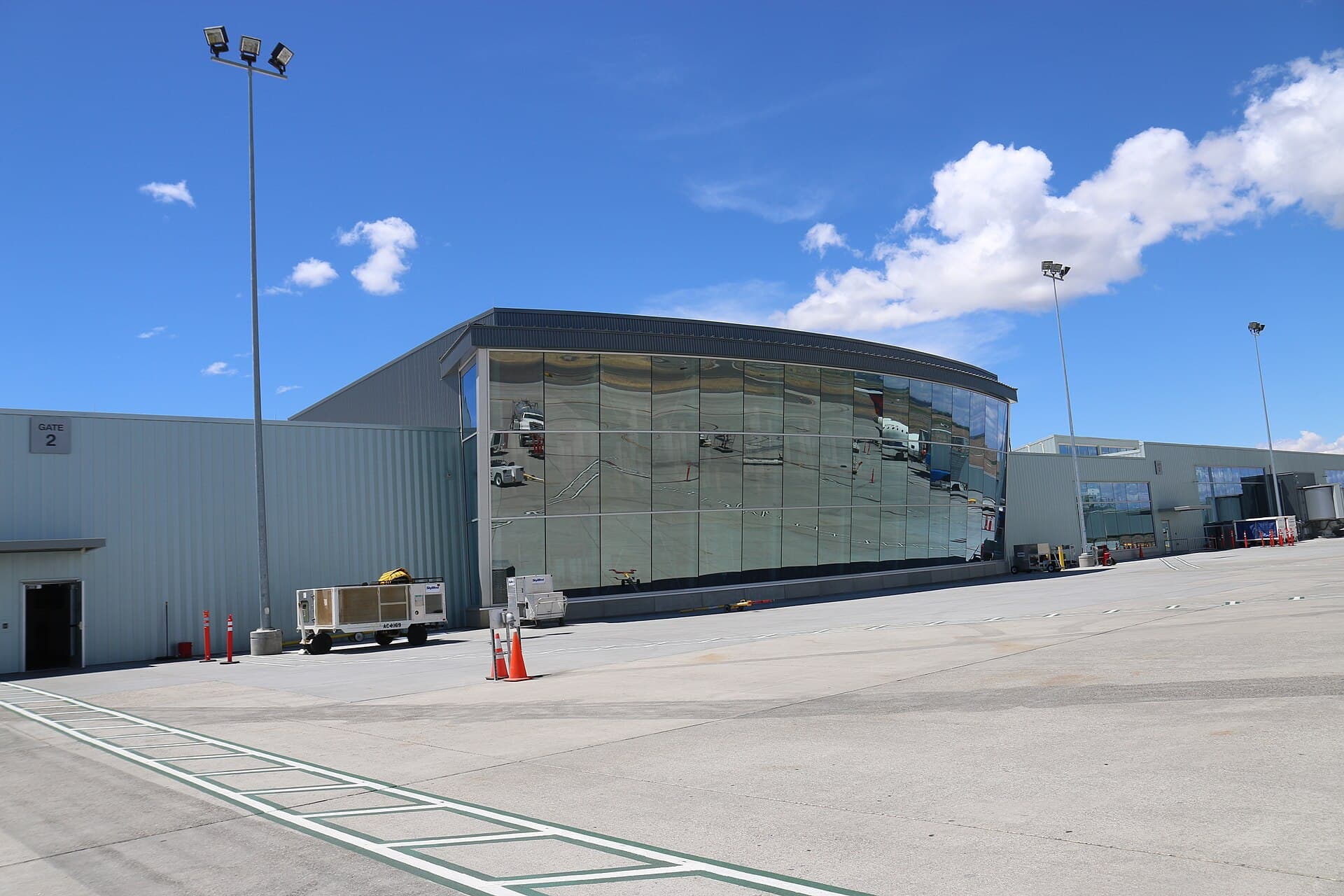
Tri-Cities Airport has been awarded $8.3 million in federal funding to expand its aircraft deicing facility, a project that goes to the heart of how reliably flights get out of Pasco on cold winter mornings.
The award was reported by the Tri-Cities Area Journal of Business, which first carried the $8.3 million figure, and confirmed independently by NBC Right Now/Nonstop Local, Elkhorn Media Group and the aviation trade publication Airport Improvement, which described the money as paying for a "major deicing facility expansion." Apple Valley News Now also listed the funding among its Sept. 22 headlines.
All four outlets reported the same dollar amount and the same basic scope: federal dollars for an expansion of the existing deicing operation at the Port of Pasco-owned airport, known to travelers by its airline code, PSC.
Why deicing capacity matters at PSC
Deicing is one of the quieter chokepoints in winter air travel. Before a jet can take off with frost, ice or snow on its wings, crews have to spray it down with heated glycol fluid, and the clock starts running the moment they finish. If an airport has only a limited number of places where that work can happen, aircraft queue up. Delays compound through the morning bank of departures, and a late aircraft in Pasco can ripple into missed connections in Seattle, Salt Lake City, Denver, Phoenix-Mesa or Las Vegas.
Tri-Cities Airport is the region's only commercial service airport, handling Alaska, Delta, United and Allegiant service for residents of Pasco, Kennewick, Richland, West Richland and a wide swath of Eastern Washington and Northeast Oregon. For most local travelers, the alternative to a PSC departure is a three-hour-plus drive over the passes or to Spokane, which is exactly the trip fog-and-ice season tends to force.
Expanded deicing capacity is the kind of airfield investment that rarely draws attention in July and is highly visible in January.
What is still unknown
Tri-Cities Today has not independently confirmed the details beyond the funding amount and the project's general purpose, and the published reports reviewed for this story did not spell them out. Several significant questions remain open:
- The funding source. The money is described as federal, but whether it comes through the Federal Aviation Administration's Airport Improvement Program, the Bipartisan Infrastructure Law's airport infrastructure grants, or a discretionary award has not been verified.
- Total project cost and local share. Whether the Port of Pasco is required to put up a local match, and how much, is not established in the reports reviewed.
- Physical scope. How many deicing positions the expansion adds, and whether it includes upgrades to glycol collection and stormwater treatment — a standard component of modern deicing pads, since spent fluid cannot simply run into the ground — has not been confirmed.
- Schedule. Design and construction start and completion dates, contractor selection, and any effects on airfield operations, taxiway access or airport parking during construction are unknown.
- Port commission action. Whether the three-member Port of Pasco commission has formally voted to accept the grant, and on what date, is not confirmed.
No statements from Port of Pasco commissioners, airport administration or members of the congressional delegation have been verified, and this story contains no quotes for that reason.
What happens next
Federal airport grants typically require the local sponsor — here, the Port of Pasco — to accept the award formally in a public meeting before work proceeds. That means the grant acceptance, and later the design and construction contracts, should surface on a Port of Pasco commission agenda where residents can see the numbers and the timeline.
Port of Pasco commission meetings are open to the public, and agendas and meeting materials are posted on the port's website at portofpasco.org. The airport's own project and construction updates are posted at flytricities.com.
Tri-Cities Today is seeking the underlying grant documentation and the port's project schedule, and will report the confirmed scope, cost and construction timeline — including any effects on terminal parking or airfield access — once those are available.
Travelers flying out of PSC this winter should keep checking flight status with their airline; deicing delays are typically posted as departure delays rather than cancellations, and they tend to hit the earliest departures hardest.