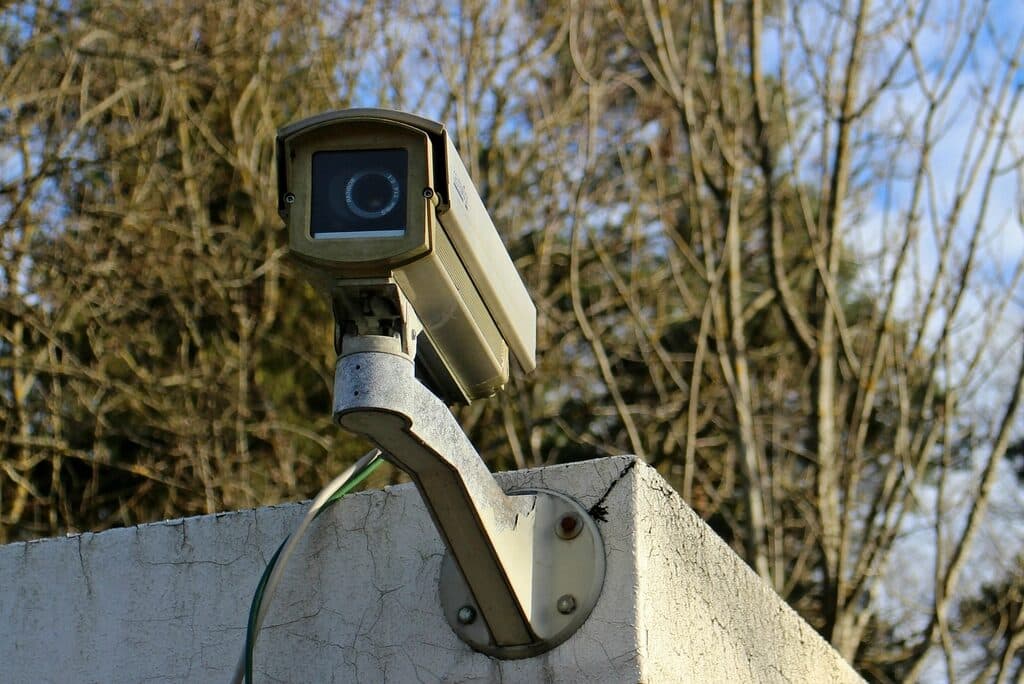
The Pasco Police Department wants to know where your security cameras are pointed.
The department has rolled out a voluntary program known as 1PASCO, also referred to as OnePasco, that lets homeowners and business owners register private security cameras so officers know where footage might exist after a crime happens nearby, according to coverage from KEYW affiliate stations and citizenportal.ai's reporting on a recent city council briefing.
Signing up takes less than a minute through an online portal, 1027kord.com reported, but the program has two distinct tiers with very different levels of police access.
Two tiers, two levels of access
A "Level One" registration simply flags that a camera exists at an address — police know to ask for footage if something happens nearby, but they get no automatic access to the feed. "Level Two" integration goes further: owners buy an Axon device called a "core" that feeds their camera's live or recorded video directly into the department's Fusus-based real-time crime center, Apple Valley News Now reported.
As of Sept. 17, that outlet found 59 cameras registered at Level One and 148 integrated at Level Two. Pasco Police Chief Cook told the city council the owner keeps control of the hardware regardless of tier. "The owner retains complete control over that system," he said, according to citizenportal.ai.
Council presses for transparency
Council members weren't satisfied with that alone. At the workshop, one member stressed that the program "is strictly voluntary" and warned against ever tying participation to business licensing or other city requirements, citizenportal.ai reported.
At a follow-up session, Chief Cook and City Manager Stewart faced more pointed questions — how many cameras are actually registered, whether live feeds can be pulled automatically, and whether the system supports analytics or third-party tools like automated license plate readers, according to a second citizenportal.ai report. Cook said every access to the system is logged and officers' activity can be audited. He and Stewart agreed to prepare a public briefing and schedule another workshop focused on transparency and safeguards, though no date had been announced as of this report.
Several council members asked for a live demonstration of the system and written guidance for residents covering consent, privacy limits and exactly what police can and can't do with integrated footage, the outlet reported. Questions about how long footage is retained, when it gets deleted, and whether it's ever shared outside the department remain unanswered in any public document found so far.
Mixed reaction from business owners
Downtown business owners are split. Amina Mohammed, owner of Tri-Cities Afghan Food, told Apple Valley News Now she supports the idea: "We do need more security stuff, but this is a good idea to start with." Other owners interviewed said they'd rather see the city invest in other safety measures instead.
Part of a bigger camera push — and a tight budget
The rollout lands alongside two other local debates. Richland police plan to restart their license-plate camera network within a month, part of a broader regional shift toward camera-based policing tools. Meanwhile, Pasco is weighing cuts to roughly 55 city jobs, including a fifth of its police force, to close a $14.4 million budget gap — a backdrop that raises questions about how the department balances spending on technology against staffing.
Residents or business owners who want to register a camera can do so through the city's online 1PASCO portal at no cost for Level One; Level Two requires purchasing the Axon core hardware. Anyone with privacy concerns may want to wait for the promised public briefing before opting into live-feed integration — city officials have not yet set a date for that session.