The Richland Police Department expects to flip its license plate reader cameras back on within the next month, Police Chief Martin Pilcher told the city council, ending a monthslong shutdown triggered by a new state privacy law.
Pilcher briefed council members on the department's progress bringing its automated license plate reader (ALPR) program back into service after pulling the system offline earlier this year to comply with Senate Bill 6002, according to AppleValleyNewsNow. The state law placed new restrictions on how police can use the cameras and barred collection at schools, places of worship, food banks, courthouses, health care facilities and immigration facilities.
The department shut the system down the day after SB 6002 was signed, according to a city news release and a report from NBC Right Now. That shutdown covered the department's Flock Safety camera network as well as Axon in-car ALPR systems, and at the time officials gave no specific timeline for bringing it back.
"Automated license plate reader technology has proven to be a valuable investigative tool for law enforcement," Pilcher said in the release announcing the pause. The department said in the same release it would spend the downtime "reviewing the requirements of the bill, updating policies, and implementing any necessary changes before returning the systems to service."
What the cameras do, and where they are
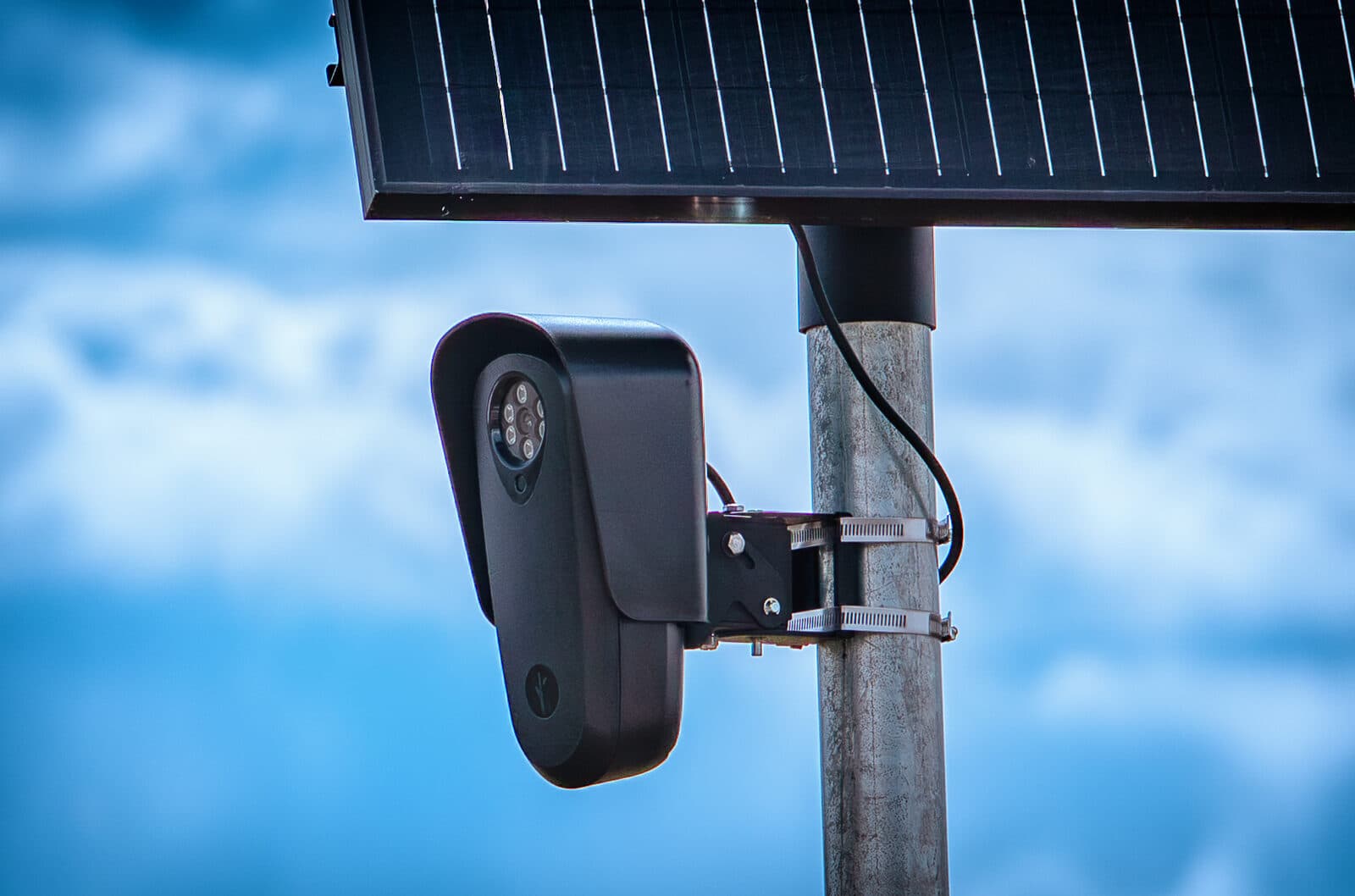
Richland's network includes 10 fixed Axon Lightpost cameras installed at locations around the city, according to the police department's ALPR transparency page, which also confirms the system is not currently collecting data. The department has said the cameras have helped officers recover stolen vehicles, identify cars tied to serious crimes and locate missing people.
In his update to council, Pilcher described new internal controls meant to satisfy the state law once the system restarts. He said the department keeps tight control over ALPR data, with no automatic sharing to outside agencies or national databases, and that every search of the system will have to be logged with a case number, stated purpose and offense type so it can be audited later, AppleValleyNewsNow reported.
Timeline to reactivation
Pilcher told council the department still has to finish officer training, finalize its updated policy, complete compliance reviews and test the system before cameras go back online — a process he expects to wrap up within roughly a month. The city has not said whether it will post the finalized policy publicly, though the existing transparency page is likely to be the place residents can check once the system is live again. It's not clear from available records whether council took any formal action on the program or simply received Pilcher's briefing as an update.
The debate over license plate readers extends beyond Richland. Local television coverage out of South Carolina has reported pushback over a Flock Safety camera network's data-sharing practices there, a reminder that the privacy questions raised by SB 6002 are part of a broader national argument over how police use the technology, not a dispute unique to the Tri-Cities.
Residents with questions about how the restarted system will be audited, or who want to track when the cameras come back online, can check the department's ALPR transparency page for updates in the coming weeks.