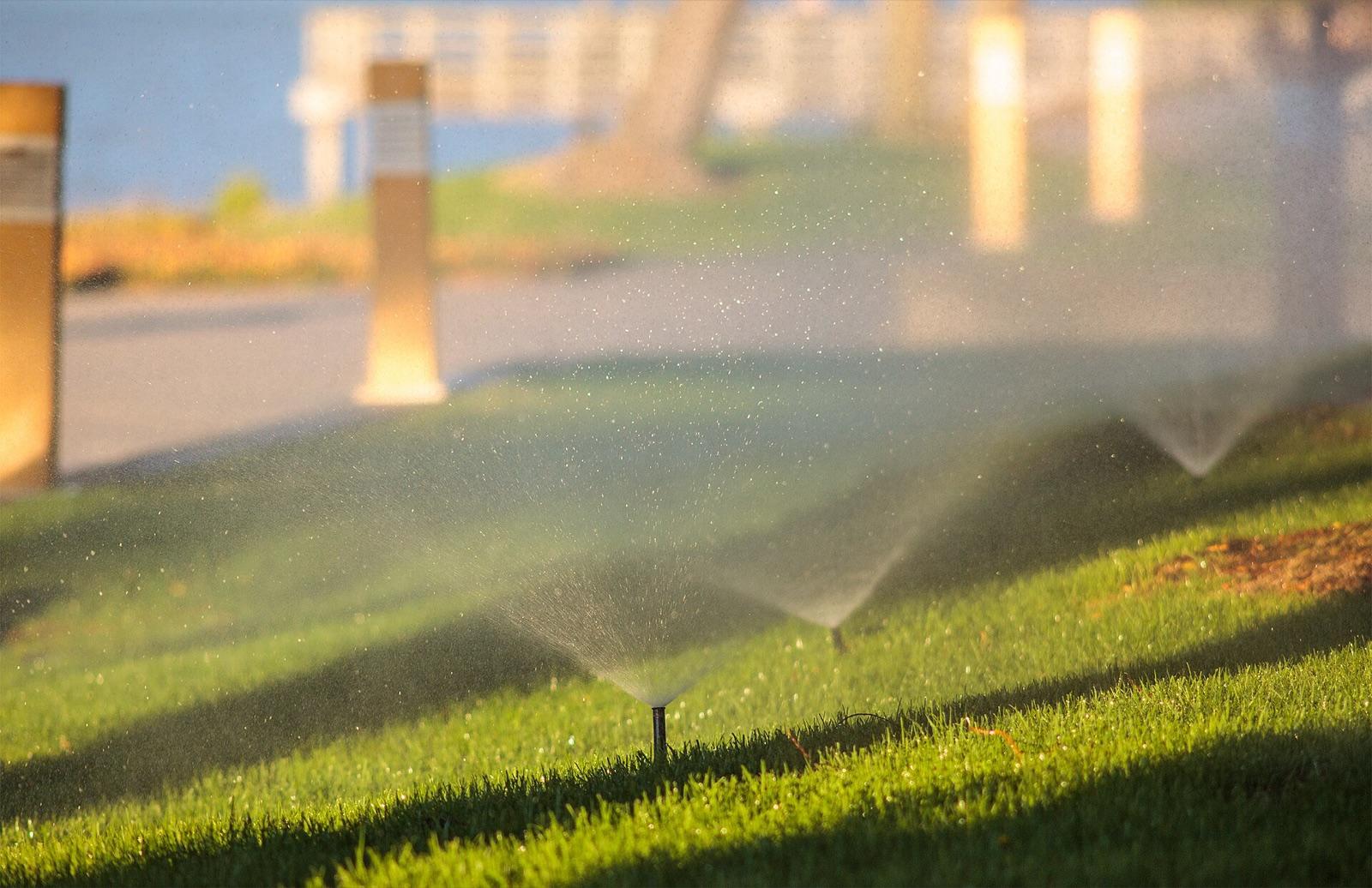
If your sprinkler system is still full of water, you're not early for winterization. You're already late. Kennewick Irrigation District's canals have been dry for weeks, and this week's forecast is about to punish anyone who hasn't blown out their lines.
KID set Oct. 12 as the final day of full-pressure water deliveries this year, with shutoff crews starting to drain the canal system Oct. 13, according to NBC Right Now. Once draining starts, the canal system typically empties within a week to 10 days, Newstalk 870 reported. That means KID's roughly 25,200 customers, affecting about 60,000 people across the district, have had no irrigation water pressure since late October.
South Columbia Basin Irrigation District, which serves parts of Franklin County, ran a little longer this year. Its board voted Oct. 8 to push the final day for delivery-change requests to Oct. 23, with canal draining originally expected to start around Oct. 21, according to SCBID's own notices. Either way, both of the region's major districts have been shut off for weeks now.
Tonight's forecast puts lows back in the mid-30s, with another cold night expected Tuesday and rain moving through Sunday into Monday. That's the freeze-thaw cycle that cracks pipes left full of water: moisture seeps into tiny gaps, freezes, expands, and splits fittings or pipe walls that won't show damage until you turn the system back on next spring.
Why timing the blowout matters
KID's winterization guidance is specific on this point: don't blow out your sprinklers until you've verified water delivery to your property has actually ended. Blow out too early, before the district has fully drained the lines, and you risk pushing water back into your system from the supply side, the opposite of what you're trying to do, according to KID's water-user information page. Since KID's drain-down finished in late October, that risk has passed for most customers. The real risk now is doing nothing.
KID also tells customers to drain the district's own riser and valve box, not just their private irrigation lines. That means disconnecting hoses and irrigation lines at the riser and opening the gate valve so any remaining water in that connection point drains out too, per KID's guidance linked above.
If you're on a system fed by Columbia Irrigation District, which, according to a KID official quoted by Apple Valley News Now regarding a separate spring pump outage, draws from Horn Rapids Dam or the Wanawish Dam, or you're in a part of Franklin County served by Franklin County Irrigation District or a city-run system in Pasco, this story doesn't have your exact 2026 shutoff date confirmed. Call your district directly this week to check before you assume your lines are clear.
How the blowout actually works
A professional blowout uses an air compressor to force pressurized air through each irrigation zone, pushing out the water that gravity and backflow alone can't remove. Local contractors say the real risk is depth: systems with lines buried less than 24 inches, below the Tri-Cities' typical frost line, are the ones most likely to split if left full of water over winter, according to Legacy Lawn's winterization guide.
DIY blowouts are possible if you already own a compressor rated for your system's zone count, but most homeowners hire it out. Local pricing for a typical residential blowout runs $55 to $140, with several companies advertising flat starting rates of $65 to $95 depending on how many zones your system has, according to pricing posted by Tri-Cities Sprinkler Quotes and Sprinkler Plus.
Another local option, Tri-Cities Blowouts, also lists blowout service and pricing for Kennewick, Pasco and Richland customers directly on its website.
Whoever you call, book soon. Sprinkler contractors warn that crews fill up fast once a freeze warning actually appears in the forecast, exactly the situation much of the Tri-Cities is in this week. For broader guidance on protecting hose bibs and household plumbing during cold snaps, see our earlier freeze-prep guide.
Quick checklist
- Confirm your irrigation district has fully shut off water to your area (KID and SCBID both finished by late October; Columbia and Franklin County customers should call to check)
- Shut off the main valve to your irrigation system if you haven't already
- Drain the KID riser and valve box by disconnecting hoses/lines and opening the gate valve
- Schedule a professional blowout or confirm you have the right compressor for a DIY job
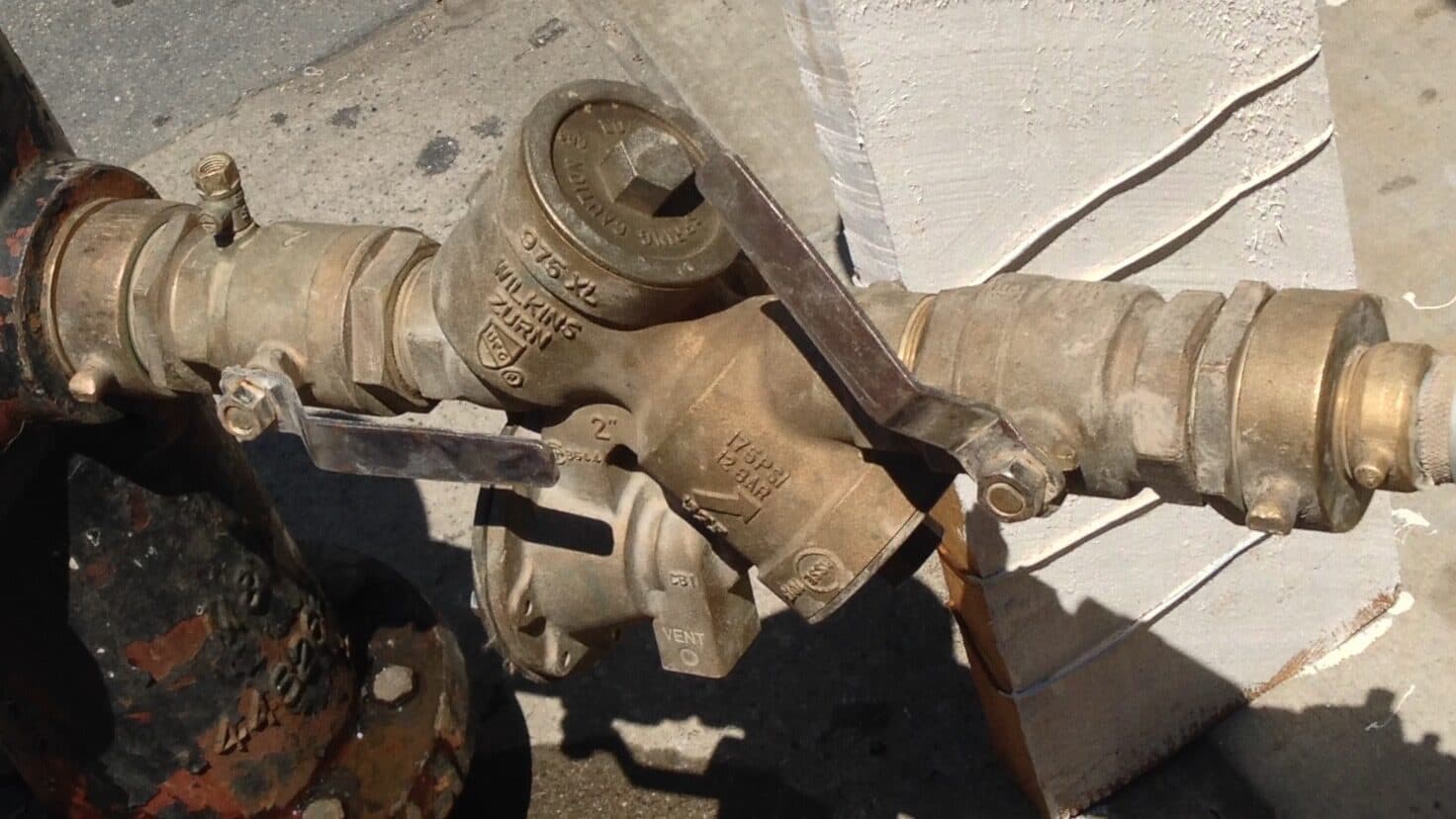
- Insulate any exposed backflow preventers or above-ground piping
Frequently asked questions
Is it too late to blow out my sprinklers for the year? No. It's overdue, but not too late. The risk isn't missing a deadline; it's leaving water sitting in lines through repeated freeze-thaw cycles like the one forecast this week.
Will my water pressure still push water out if I just open a valve? No. Once KID or SCBID has drained the canal system, there's no pressure left to clear your lines on its own. You need compressed air to force water out of each zone.
What if I don't know which irrigation district serves my property? Check a recent water bill or irrigation assessment notice, or call your city or county utility office. If you're near Richland or West Richland, your system may be fed by Columbia Irrigation District rather than KID.
Does a drought outlook affect blowout timing? Not directly, but KID has warned the region may be headed into a fifth straight year of drought, citing low reservoir levels and a warmer, drier winter outlook, according to Apple Valley News Now. The district urged deep watering earlier this fall to strengthen root systems before shutoff, a separate step from blowing out your sprinkler lines now.