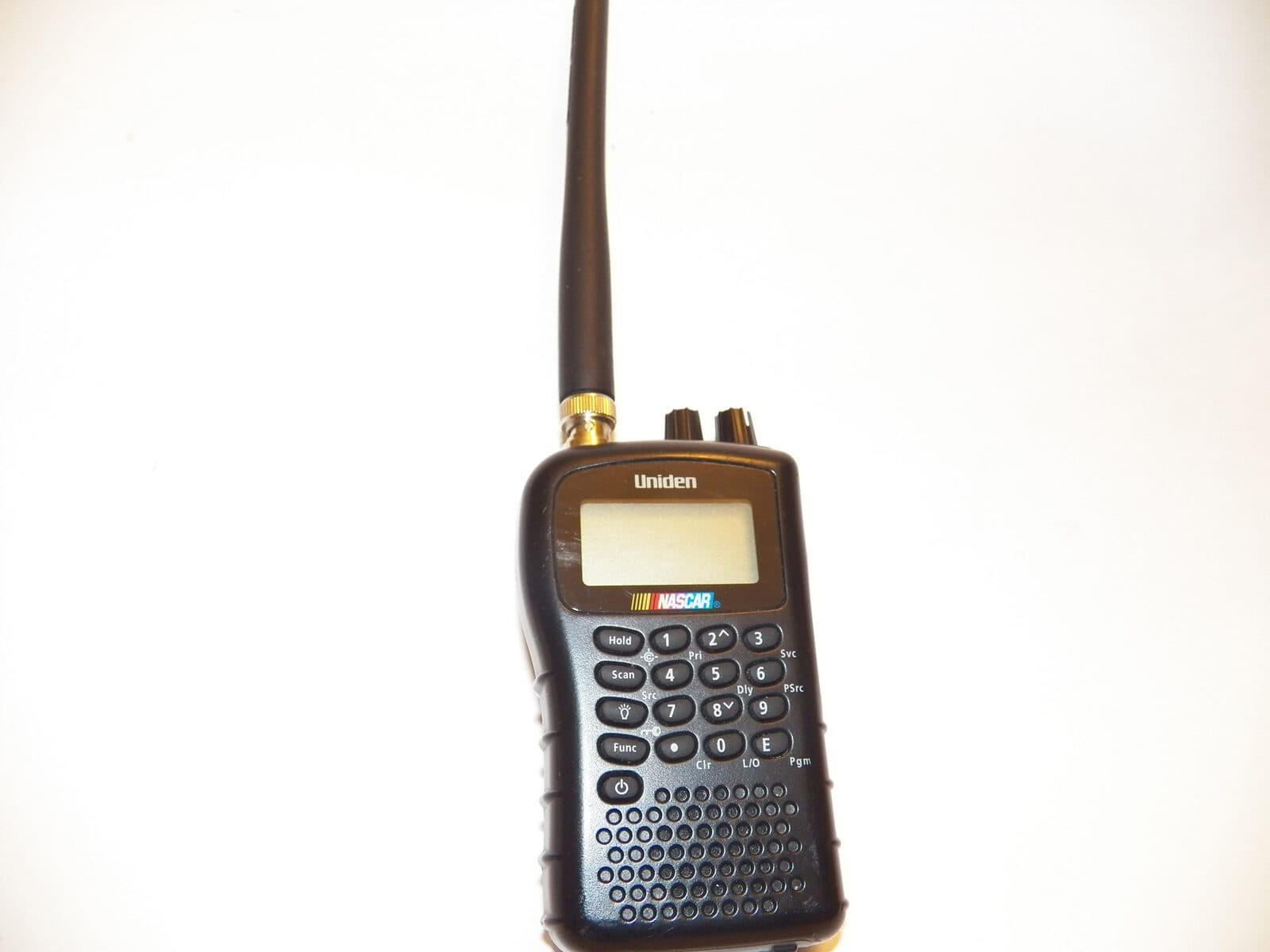
Law enforcement agencies across the Walla Walla Valley plan to switch their primary radio channels to full encryption on a tentative date of Oct. 30, cutting off the public's ability to listen to live police radio traffic on scanners or phone apps, according to Elkhorn Media Group.
WESCOM, the region's dispatch center, says open radio transmissions have exposed sensitive information about victims, witnesses and juveniles — including Social Security numbers, medical histories, dates of birth and home addresses, The Center Square reported.
Walla Walla Police Chief Chris Buttice said the change is meant to balance transparency with privacy obligations. "Our commitment to community transparency remains a priority, but we must balance that with our legal and ethical obligation to protect the privacy of the people we serve," Buttice said in the department's announcement, cited by Elkhorn Media Group. "When a resident calls us during their worst moments, they deserve to know their private information isn't being broadcast to the open internet."
Police also say encryption will stop suspects from using scanners to track officer movements during active incidents, a tactic cited in the department's reasoning, according to Elkhorn Media Group.
What changes for listeners
Once the switch flips, residents, hobbyists and reporters who follow Walla Walla Valley calls — commonly through Broadcastify or similar scanner apps — will lose real-time audio. Walla Walla police say they'll still share incident updates through public information officers and official social media accounts, according to AppleValleyNewsNow.com. A critic identified by The Center Square only as Donovan argued the shift would leave the public with nothing more than agencies' own "official social media post" version of events.
The approach differs from what's happened in the Seattle area. The Seattle Police Department has kept its main dispatch channels open while encrypting only tactical communications and transmissions containing sensitive personal information, as part of a regional radio-system upgrade, The Center Square reported. That hybrid model preserves some public listening ability; Walla Walla's full-channel shutoff does not.
The open question for the Tri-Cities
It's not yet clear whether Benton or Franklin County's regional dispatch center, SECOMM, has discussed or scheduled a similar move for Kennewick, Pasco, Richland or West Richland police and fire. That's the detail that would matter most to local scanner listeners, and it could not be confirmed as of this writing. Tri-Cities Today has reached out to SECOMM and local police departments and will update this story with any response.
The question lands amid an active local debate over how much surveillance and secrecy residents are willing to accept from police. Tri-Cities Today has separately reported on Richland's decision to restart its license-plate-camera network, part of the same broader conversation about what law enforcement can see and record versus what the public is allowed to hear.
How to stay informed if scanners go dark
If Tri-Cities agencies follow Walla Walla's lead, residents would still have a few options: filing public records requests for incident reports and, in some cases, redacted dispatch logs under the Washington Public Records Act; following department social media accounts and press releases; and calling newsroom tip lines directly. A Washington open-government group, the State Coalition for Open Government, has posted a statement on radio encryption addressing the statewide trend, though no formal objection specific to the Walla Walla Valley rollout has surfaced yet.
The Oct. 30 date remains tentative. Tri-Cities Today will report back once SECOMM or local police confirm whether a similar encryption plan is under discussion here.