The Washington State Department of Transportation is holding a public meeting in Pasco to preview findings from a long-running study on what would happen to the region's roads and rail lines if the four Lower Snake River dams were ever breached, according to the Tri-City Herald. The Herald's report did not include a specific date, time or venue for the session, so residents who want to attend should check WSDOT's study page for the latest posting.
The meeting will give the public a look at what will be in WSDOT's final report, which is due to the Legislature in December, the Herald reported.
Why WSDOT is studying this now
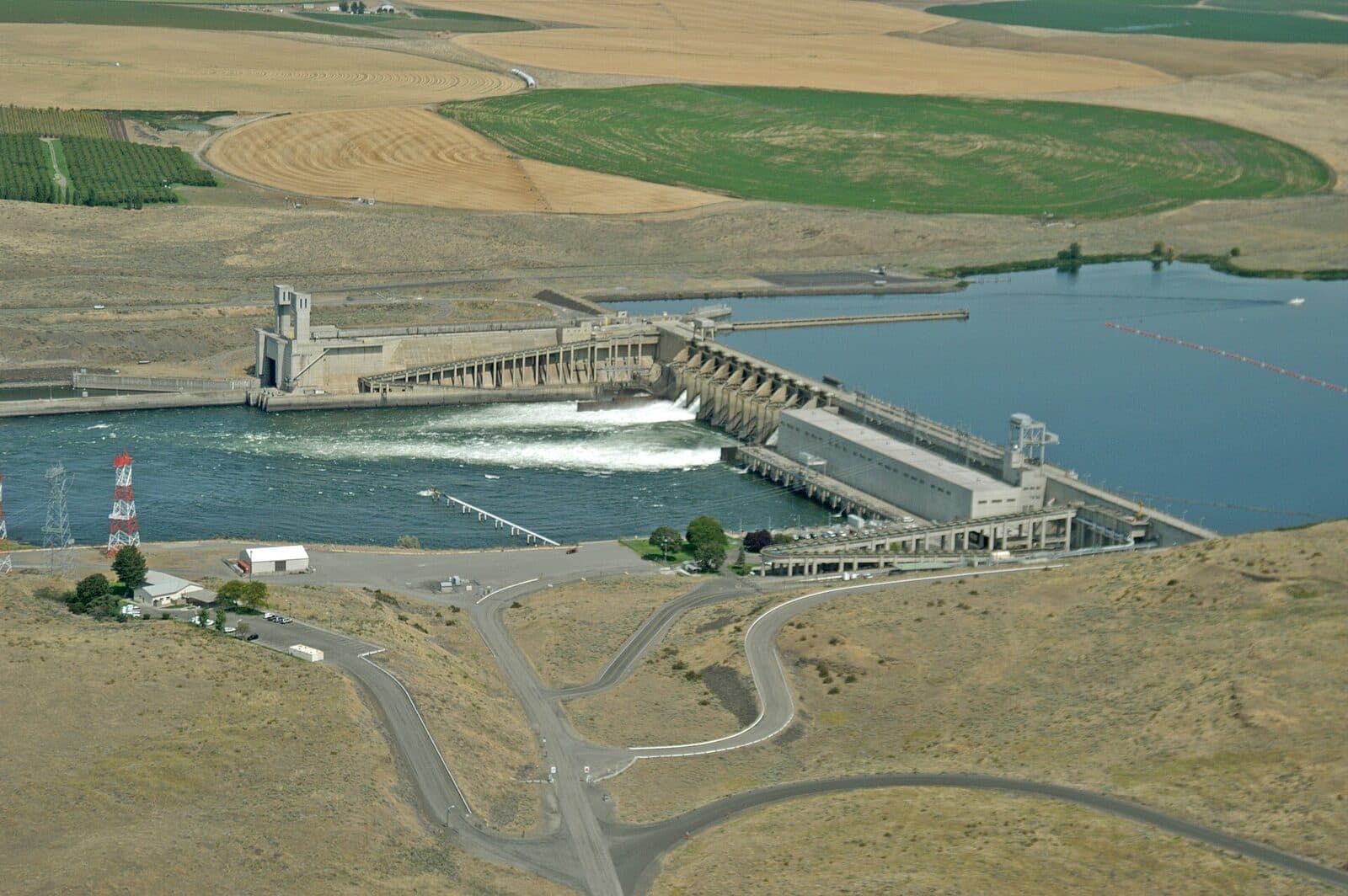
The four dams, Ice Harbor, Lower Monumental, Little Goose and Lower Granite, sit on the Snake River between Clarkston and Pasco. They've been the subject of a salmon-recovery fight for decades; a 1998 Spokesman-Review story already described the Army Corps of Engineers weighing breaching as one option for restoring endangered Snake River salmon, steelhead and other native fish, so this is not a new argument for the region (Spokesman-Review, 1998).
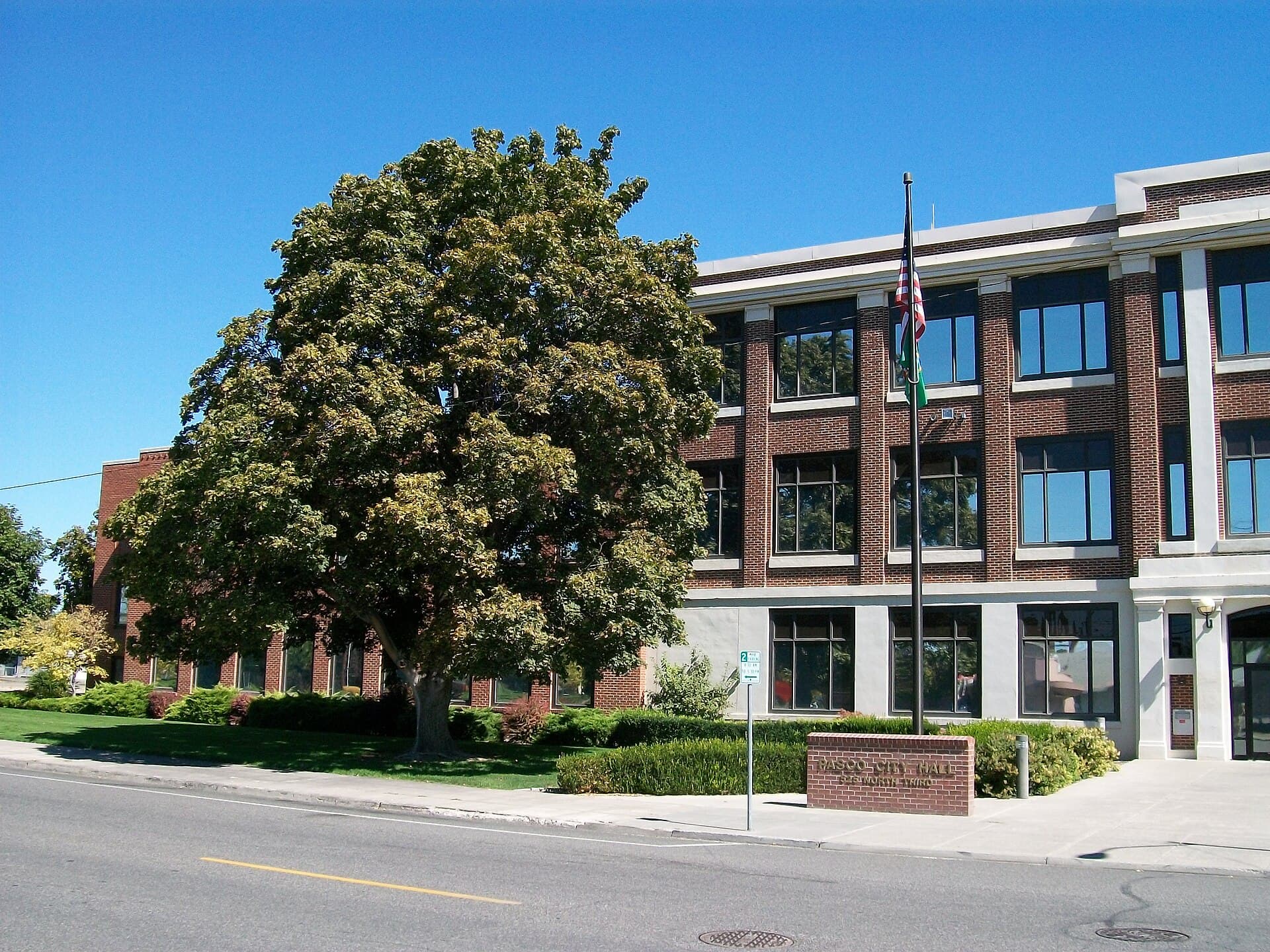
What's different this time is the Legislature ordered WSDOT, not the Corps, to answer a narrower question: how would transportation, not fish, be affected. The 2025 state transportation budget, ESSB 5161, directed WSDOT to run the analysis, and lawmakers extended the work in a follow-up budget, according to WSDOT's own November 2025 legislative report. WSDOT's study office is based at 1320 West Hopkins Street in Pasco, and the work is scheduled to run from April 2023 through December 2026, per the agency's project page.
What the numbers show so far
WSDOT's study team built multiple scenarios modeling how freight now moving by barge down the Snake and Columbia rivers would instead shift to trucks and trains, along with the public and private investment that shift would require, the Herald reported. A draft WSDOT cost estimate circulated to Congress and posted by Rep. Russ Fulcher's office put hard numbers on the trucking side alone: dam breaching would add 23.8 million miles of trucking activity a year, pushing up fuel, highway maintenance, terminal, driver time and vehicle costs by a combined $69 million annually, plus more than 1.25 million tons of additional CO2 emissions a year (Fulcher.house.gov). A separate analysis cited by the Lewiston Tribune put total annual transportation impacts between $132 million and $406 million (Lewiston Tribune).
An August 2026 WSDOT report to the Legislature shows the study team is still refining rail cost estimates, including new track for a Thornton-to-Rosalia connection and a Dayton line tying into the Wallula terminal, just east of Pasco in Walla Walla County (WSDOT/WA Legislature). That terminal work matters locally because barge freight that currently bypasses Pasco on its way to Lewiston could instead need new rail capacity routed through Franklin and Walla Walla counties.
A reversal from 25 years ago
The framing has flipped since the last time Tri-Cities residents packed a hearing on this topic. A February 2000 Spokesman-Review story on a Pasco hearing reported that breaching the dams would force barges to stop at Pasco rather than continuing 140 miles upriver to Lewiston — a change studies at the time suggested could actually boost the Tri-Cities economy (Spokesman-Review, 2000). Today's WSDOT work instead treats a Pasco-area traffic and cost increase as the burden to be managed.
No port, trucking or rail officials from the Tri-Cities had commented publicly on the study as of the Herald's report. It's still not clear what state lawmakers plan to do with WSDOT's December findings once the report is submitted — any actual decision on breaching would ultimately rest with the U.S. Army Corps of Engineers, which operates the four dams, as the Spokesman-Review reported back in 1998. Residents who want more detail before the final report lands can track updates on WSDOT's study page, linked above.